International

News

November 21, 2024
A delegation representing several institutes of the Karelian Research Center RAS headed by Director General Olga Bakhmet is on a visit to China. Scientists together with their Chinese colleagues discussed possible cooperation with representatives of the Nanjing Institute of Geography and Limnology and the Institute of Soil Science of the Chinese Academy of Sciences.
Karelian Research Center RAS continues to develop international cooperation with the Chinese Academy of Sciences (CAS). In November 2023, a delegation of Chinese scientists from the Nanjing Institute of Geography and Limnology CAS visited KarRC RAS. This week Karelian researchers traveled to Nanjing and visited two institutes: Nanjing Institute of Geography and Limnology and the Institute of Soil Science of the Chinese Academy of Sciences. The delegation included staff of the Northern Water Problems Institute (NWPI), Institute of Biology (IB) and Department for Multidisciplinary Research (DMR) of KarRC RAS.

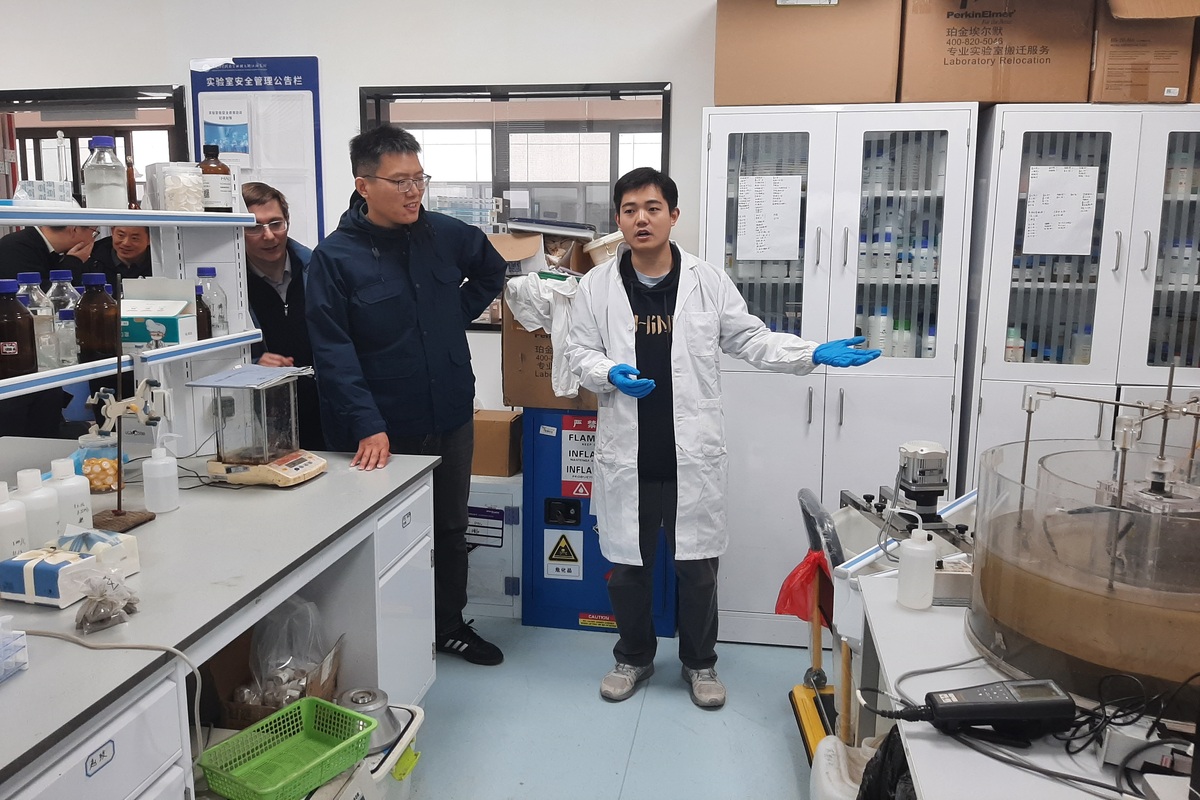
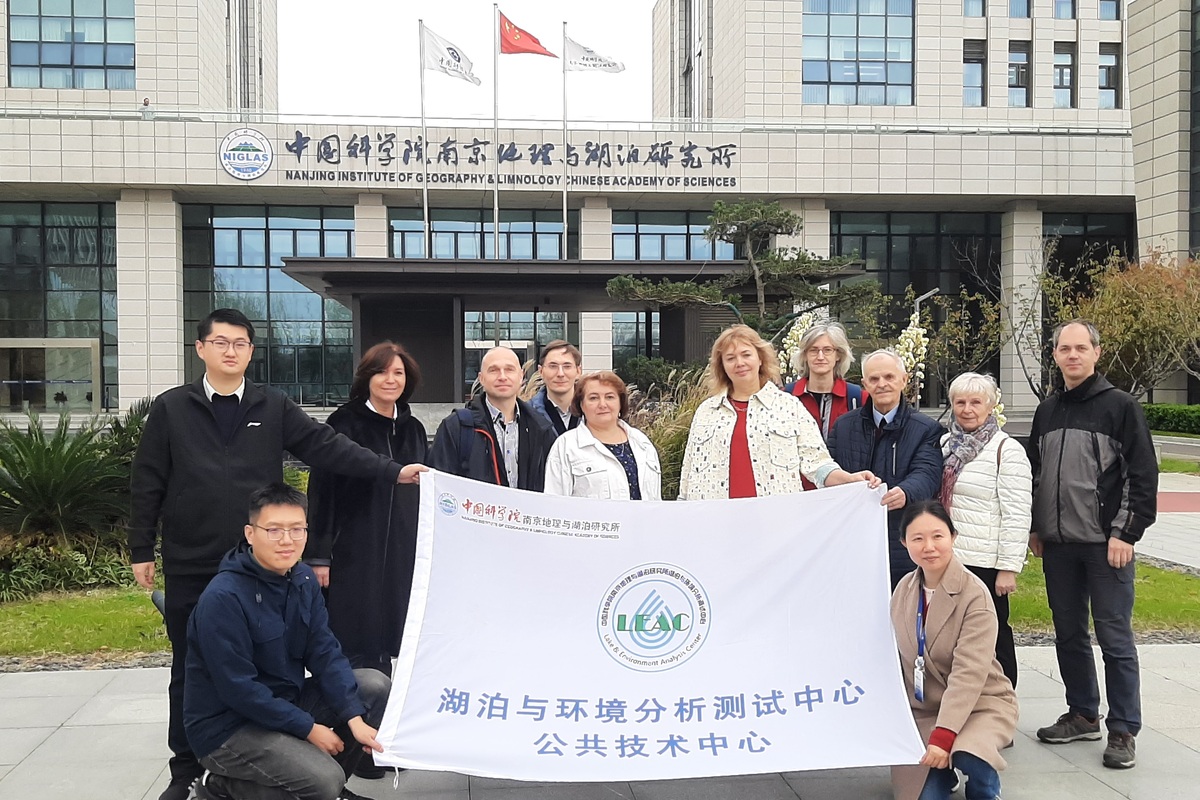
The first institute visited by Karelian scientists was the Nanjing Institute of Geography and Limnology, where KarRC RAS staff presented their work. Olga Bakhmet, RAS Corresponding Academician, Director General, told about the activities of KarRC RAS, the activities of NWPI were presented by Yulia Lukina, Director of the Institute, and Nikolai Filatov, RAS Corresponding Academician, Principal Researcher, also gave a presentation. Together with Chinese colleagues, they discussed how to cooperate on a number of topics in the study of lakes, the White Sea, and watercourses. The agenda included a seminar “Impacts of anthropogenic activity and climate change on lake ecosystems in China and Russia”, where scientists from the two countries presented the results of their studies. In particular, Stanislav Kutenkov, Head of the Laboratory of Mire Ecosystems IB KarRC RAS, told about the estimation of carbon pools in peatlands. Alexey Tolstikov, Head of the NWPI KarRC RAS Laboratory of Geography and Hydrology, presented a forecast of warming in the western Arctic.

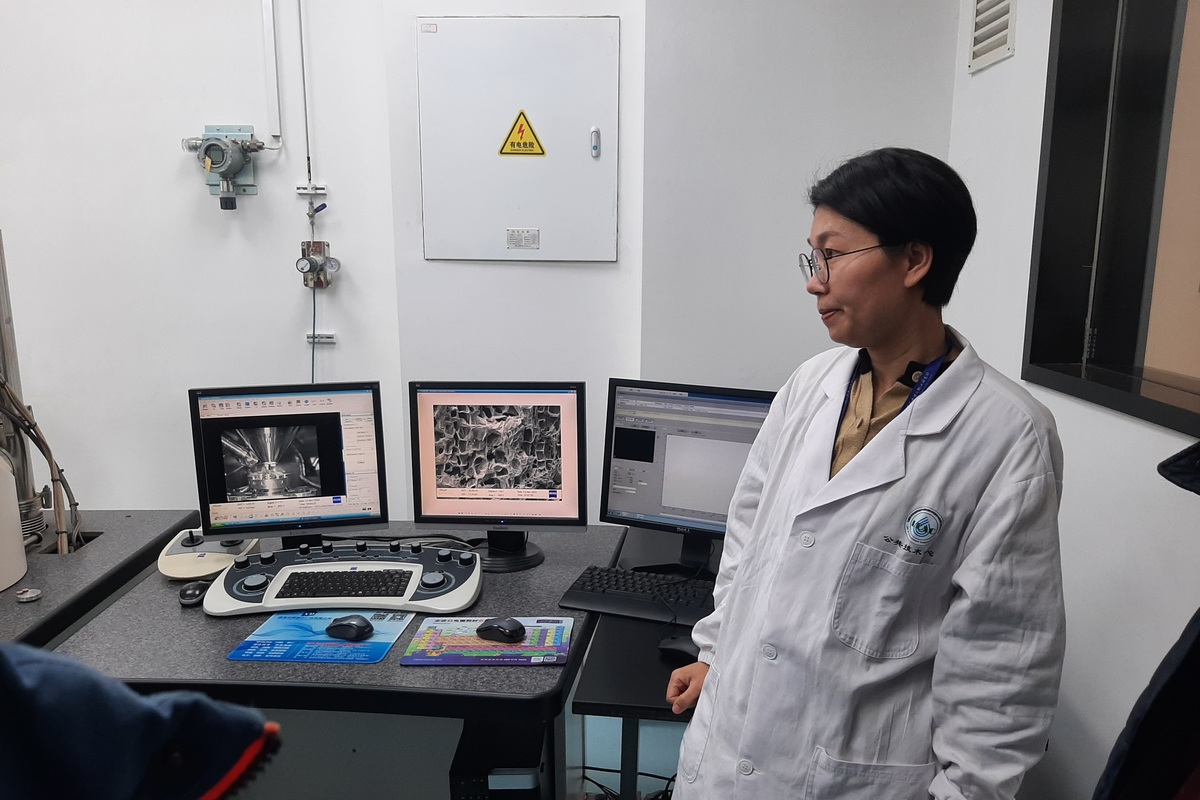
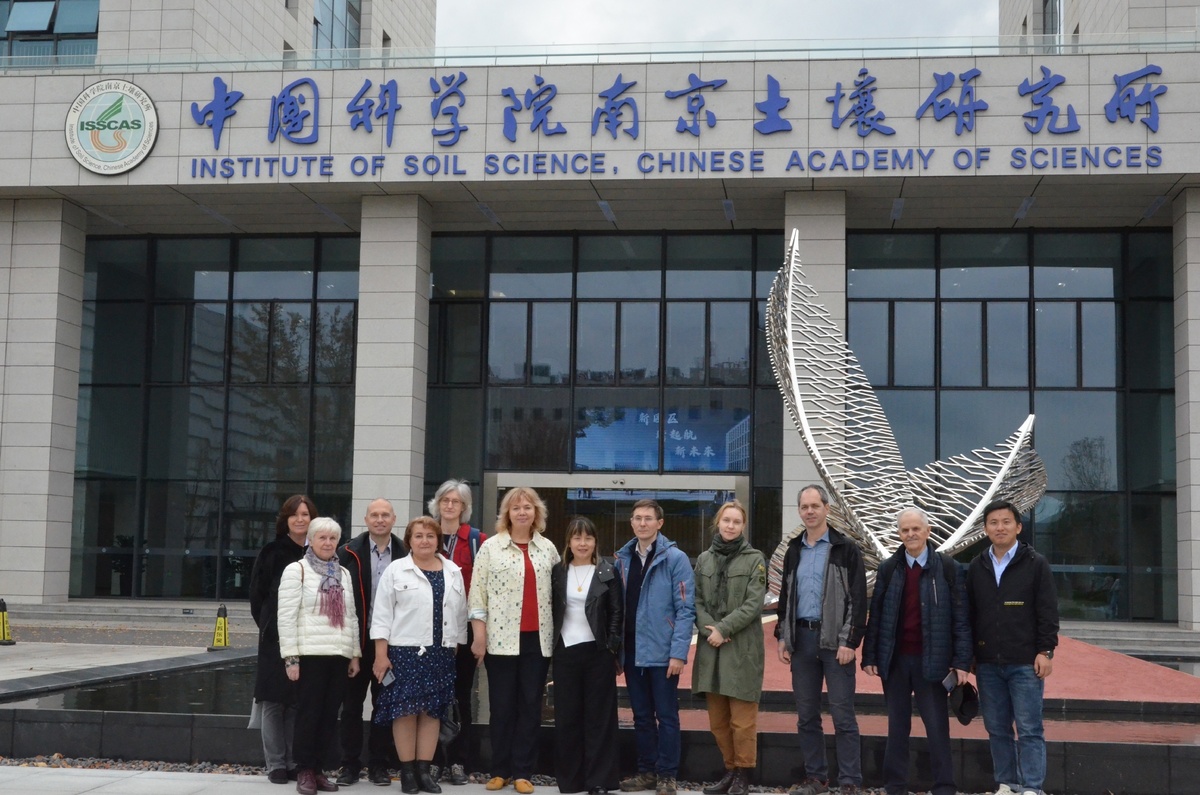
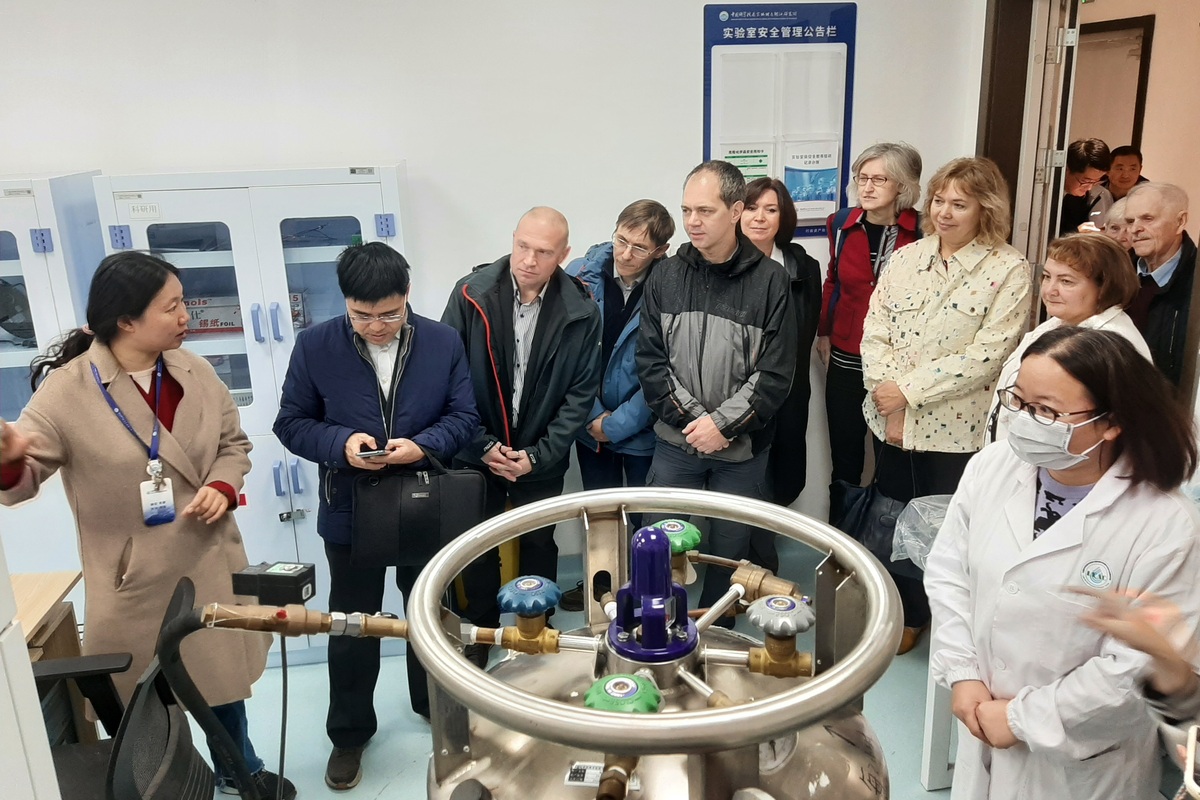
In addition, Karelian scientists got acquainted with Chinese experience in studying soils at the Institute of Soil Science CAS. Dmitry Ekimov, Senior Researcher at DMR KarRC RAS, presented the work on measuring soil carbon fluxes in different ecosystems. Head of Plant Biotechnology Laboratory of DMR KarRC RAS Maria Yurkevich talked about studying the soils of agricultural landscapes. Representatives of CAS introduced the visitors to soil research in the country, showed their laboratories and gave a tour of the unique facility for storing soil samples collected during the China National Soil Survey.
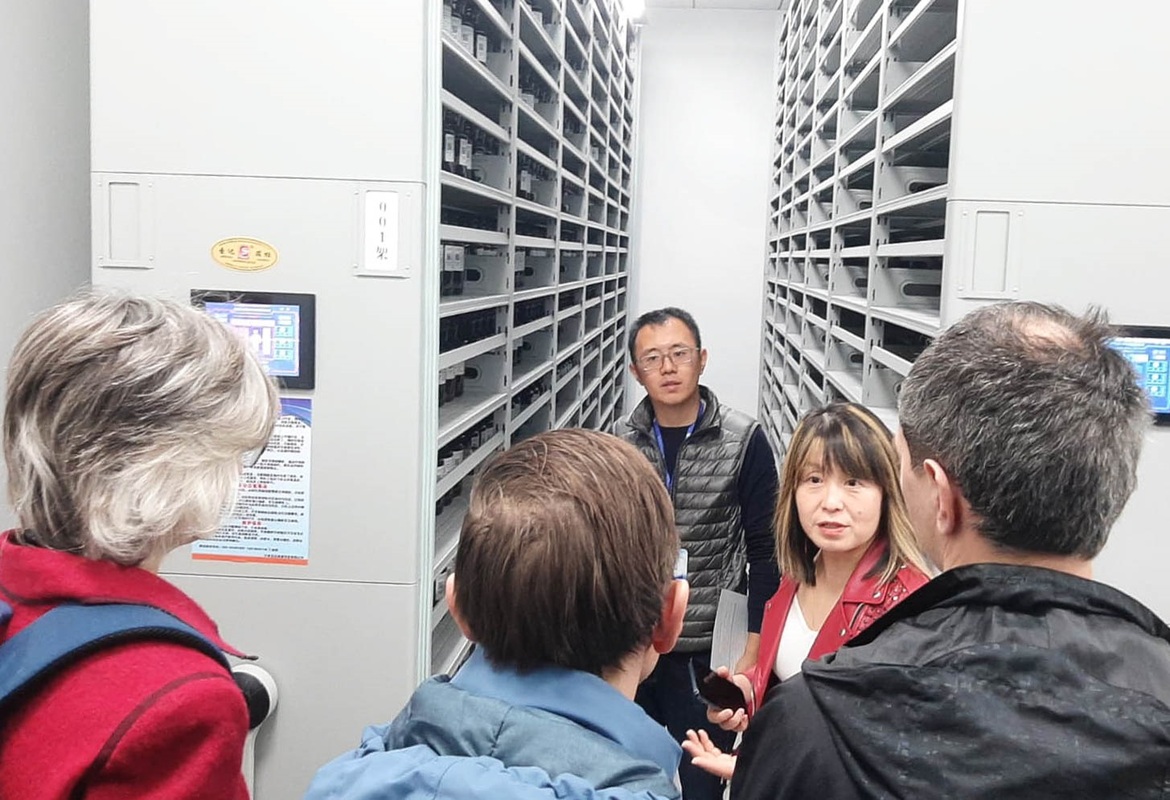

Depository of soil samples in the Institute of Soil Science CAS

– Karelian Research Center is expanding its cooperation with colleagues in the BRICS. Here, we are presenting to Chinese scientists a number of areas developed at KarRC RAS: the study of aquatic and terrestrial ecosystems, including expertise in the study of greenhouse gases and climate warming in our region. We look forward to fruitful cooperation with Chinese researchers, - shared Olga Bakhmet, KarRC RAS Director General.

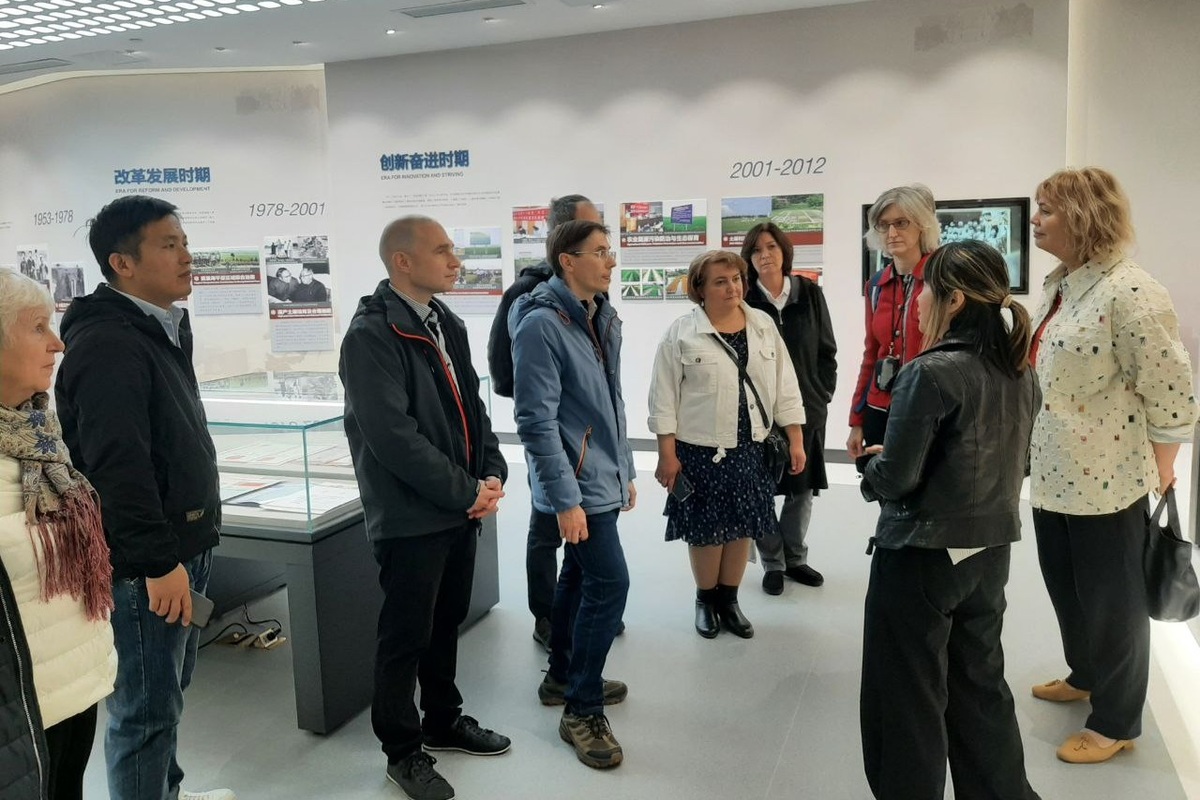
The second part of the visit is currently taking place in Beijing, where KarRC RAS staff are being introduced to the activities of Chinese scientists in the field of ecology.
See also:

March 30, 2026
Young CIS scientists networked on common water problems at a school and workshop organized by the KarRC RAS

The international school and workshop “Under the Pressure of Global Climate Change: a Youth Network for Water Ecosystem Research” in Petrozavodsk has come to an end. During four days, young researchers from Russia, Belarus, Kyrgyzstan, Kazakhstan, Armenia, Uzbekistan, and Tajikistan listened to lectures and mastered scientific techniques in practice, under the guidance of seasoned experts. In conclusion, the participants agreed to maintain the network and keep looking for opportunities to jointly study common environmental problems.
March 27, 2026
RAS Corr. Fellow Olga Bakhmet: Arctic biodiversity conservation is impossible without science as its foundation

The International Forum "Polar Bear Universe", organized by the Ministry of Natural Resources of Russia and the Government of the Chukotka Autonomous Okrug, is taking place in St. Petersburg. At the forum’s Bio-ecological Arctic Cluster, KarRC RAS leader, RAS Corr. Fellow Olga Bakhmet spoke about the scientific foundations for conserving Arctic biodiversity and presented the expertise of Karelian scientists in this field.
March 26, 2026
Olga Bakhmet presented KarRC’s proposals for the federal Clean Ladoga project in St. Petersburg

Experts of the Karelian Research Centre RAS have prepared proposals for the federal project Clean Ladoga. The Centre’s CEO, Olga Bakhmet, presented them at a joint meeting of the Environmental Council under the Governor of St. Petersburg and the Public Environmental Council under the Governor of the Leningrad Region. The main point of her presentation was that the integrated program for the environmental rehabilitation of Lake Ladoga must encompass also the water bodies located throughout the lake’s catchment area.
March 24, 2026
A youth school and workshop on aquatic ecosystem studies gathers learners and lecturers from CIS countries at the KarRC RAS

The international school and workshop "Under the Pressure of Global Climate Change: a Youth Network for Aquatic Ecosystem Research" was launched in Petrozavodsk on March 24. Over four days, young researchers from Russia, Belarus, Kyrgyzstan, Kazakhstan, Armenia, Uzbekistan, and Tajikistan will engage in theoretical and practical training under the guidance of experts from the KarRC RAS and researchers from CIS countries, India, and China.
March 16, 2026
Karelian entomologist, Andrei Humala, discovered six new species of parasitoid wasps last year

In 2025, entomologist from Karelia, Andrei Humala, described four new parasitoid wasp species from Africa. They all belong to a genus relatively rare in that region, Eusterinx. One more finding was made in each of samples from Mexico and Russian Far East. The scientist has specialized in the study of parasitoid wasps for over 30 years, during which time he has described 3 genera and 149 species new to science.