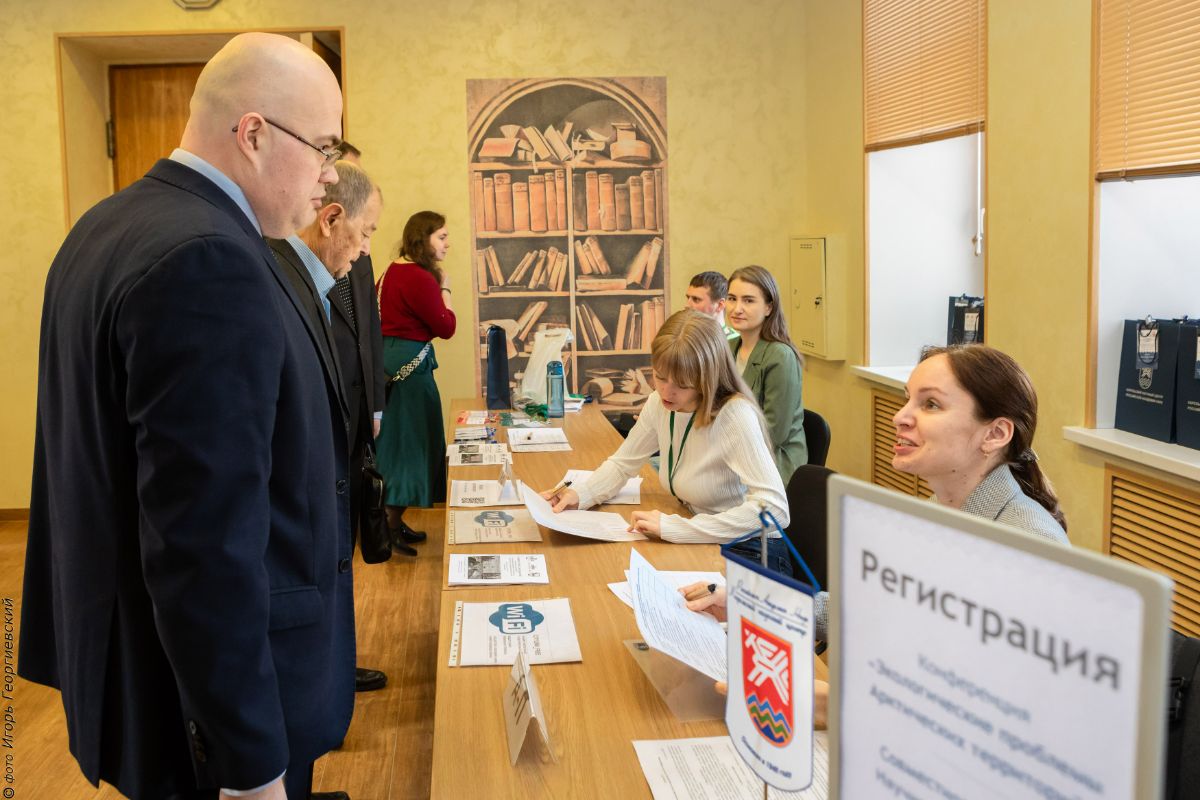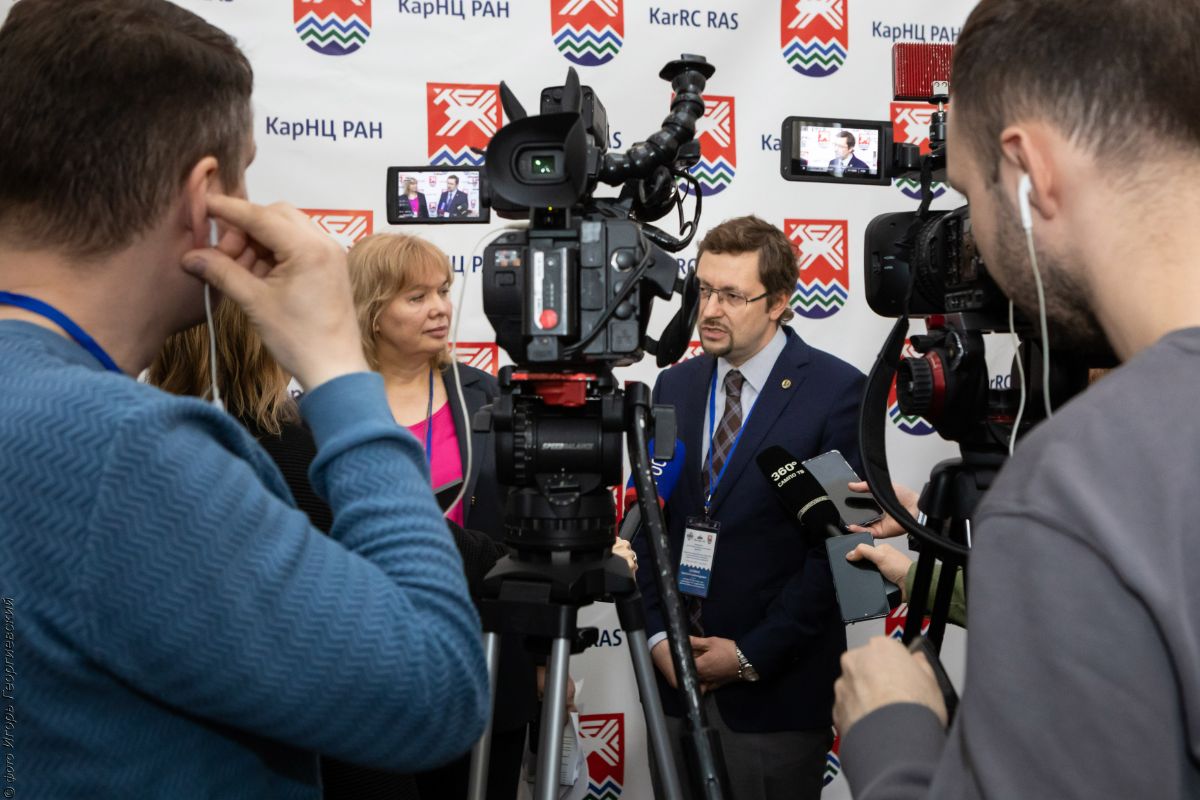


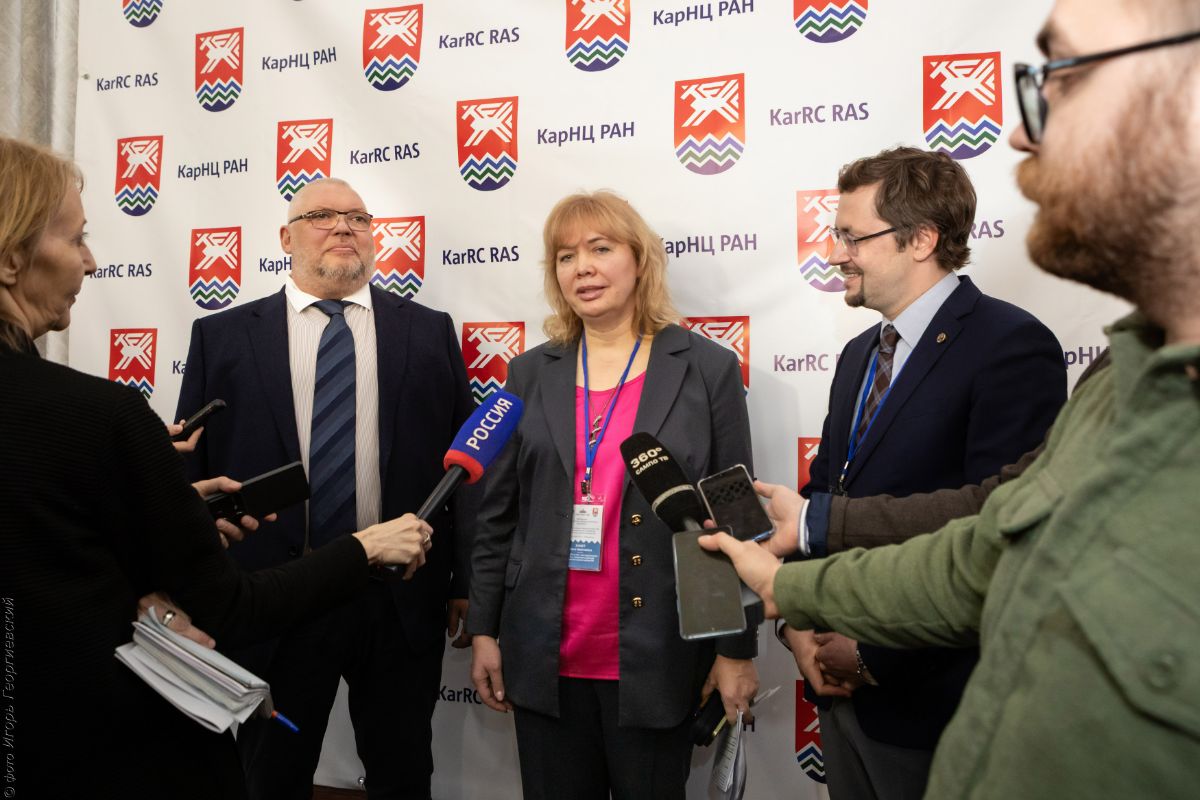
The study of the Arctic territories, including their natural ecosystems, economy and social development, languages and historical heritage, is among the priority research areas for scientists of the Karelian Research Center RAS, one of the country's leading scientific organizations. As noted by Olga Bakhmet, Corresponding Academician, KarRC RAS Director General, the fact that the Council is having a session in Petrozavodsk testifies to the importance of such studies.
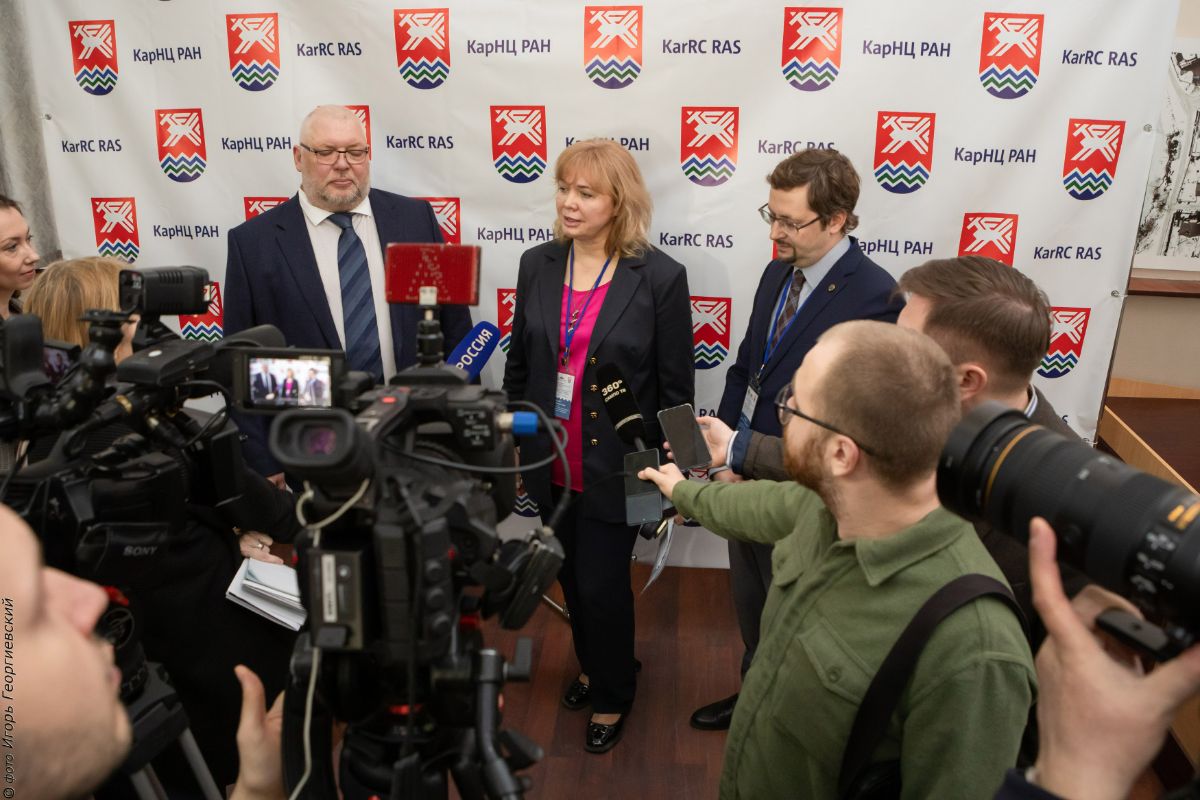
– We hope our results will be of interest to specialists. At the same time, this is an opportunity to learn about the work of the country's leading scientific organizations and hear the opinions of reputable experts in Arctic environment, – remarked Olga Bakhmet.
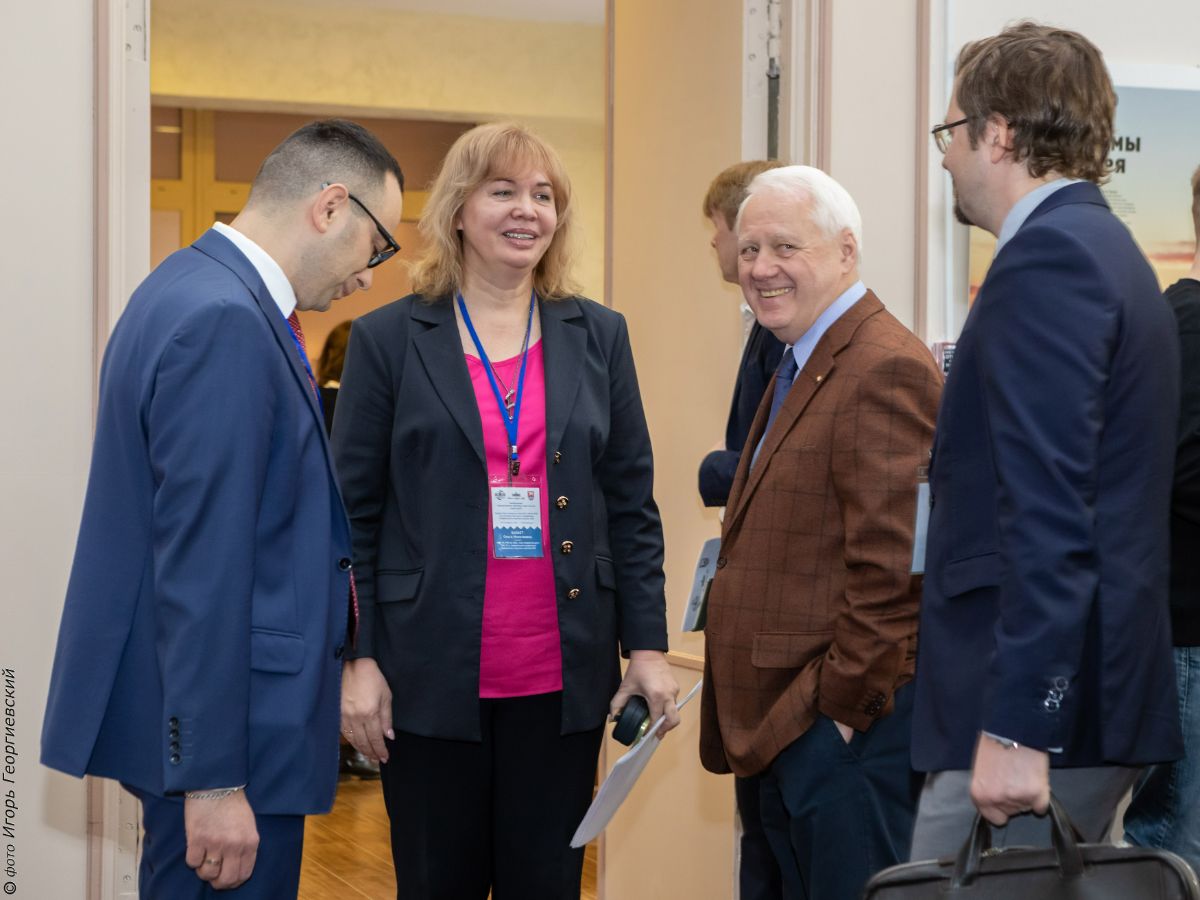
KarRC RAS Director General Olga Bakhmet welcomes the conference participants
Acting Chairman of the RAS Scientific Council for Arctic and Antarctic Studies, Director of the RAS Geophysical Center, Corr. Academician Anatoly Soloviev informed that the Council operates under the Presidium of the Russian Academy of Sciences and unites specialists from all thematic and regional divisions of the Academy. The current external session is the sixth since 2020, when the membership of the Council was significantly renewed.
– The Arctic is a territory that is very science-intensive and highly variable between regions and over time, which needs to be conceptualized across the entire spectrum of scientific disciplines. The Karelian Research Center is a perfectly adequate venue for events of this level. Each of these six sessions was devoted to a specific scientific topic of relevance to the Arctic zone of the Russian Federation: resources of ore minerals, safety of navigation in the Arctic seas, biological questions, human adaptation to the Arctic. Today's session focuses on ecology, geoecology and natural disasters, – explained Anatoly Soloviev.
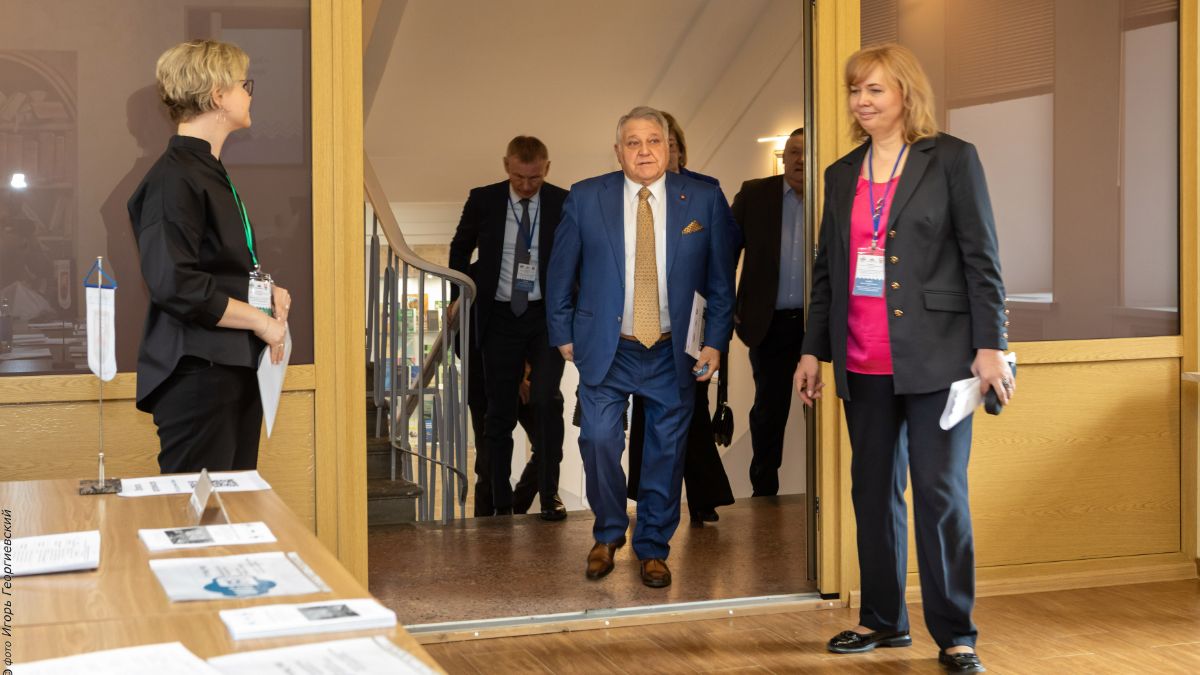
One of the participants of the events of the RAS Scientific Council for Arctic and Antarctic Studies is Mikhail Kovalchuk, President of the Kurchatov Institute
In his answer to journalists' questions regarding emerging projects and technologies, Mikhail Kovalchuk, Corr. Academician, President of the Kurchatov Institute, specifically highlighted the vulnerability of Arctic ecosystems.
– We have cleaned the Arctic of its nuclear legacy and many other things, and today we need to proceed with extreme care, because here the wounds inflicted by nature take decades, if not centuries, to heal. That is why nature-like technologies are the basis which we can rely on in developing these challenging regions in an environmentally friendly, gentle and careful, but effective manner. We have the Arctic program, which builds upon nature-like technologies, – stressed Mikhail Kovalchuk.
President of the Kurchatov Institute also commented on having Karelian Research Center RAS as a venue for the external session of the Council:
– Science here stands at a very high level. KarRC has a flock of academic institutes whose studies cover critically important regionally specific matters and can be leveraged for the development of the Arctic. I am convinced that Karelian science will become an essential element of our Arctic ”quest“, – Mikhail Kovalchuk summed up.
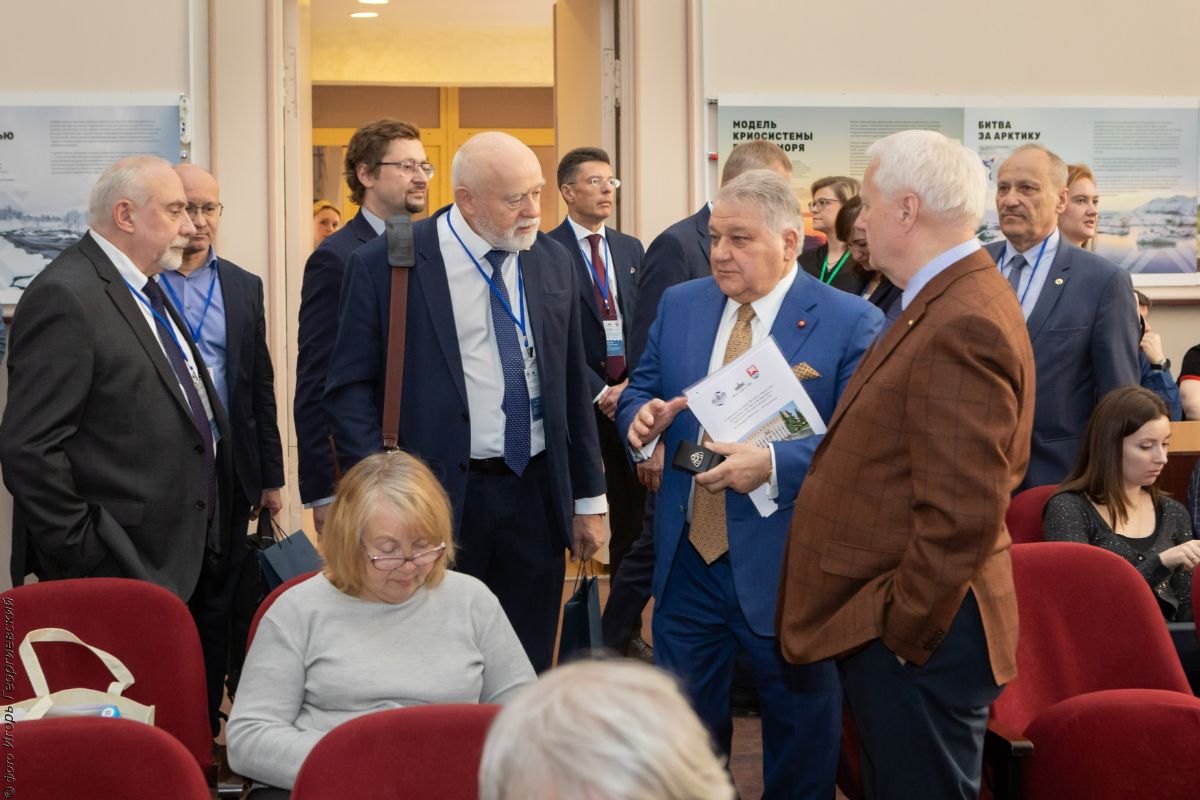
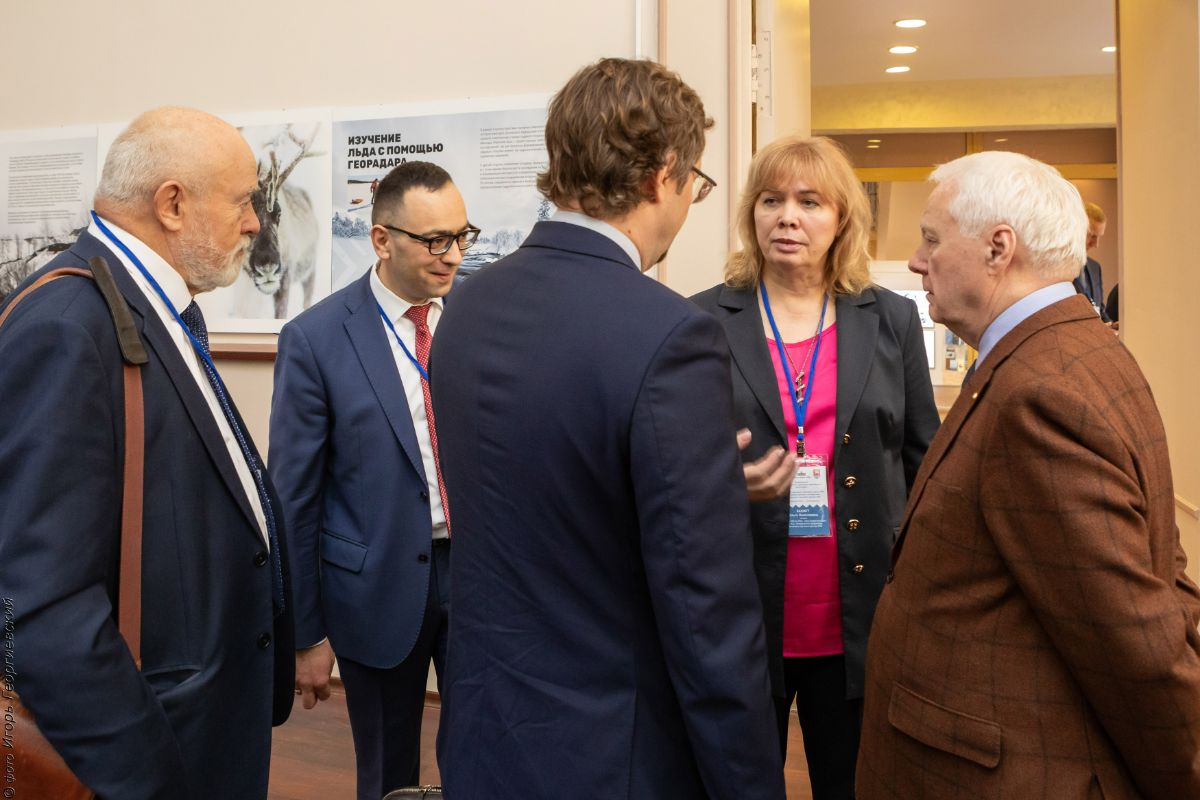
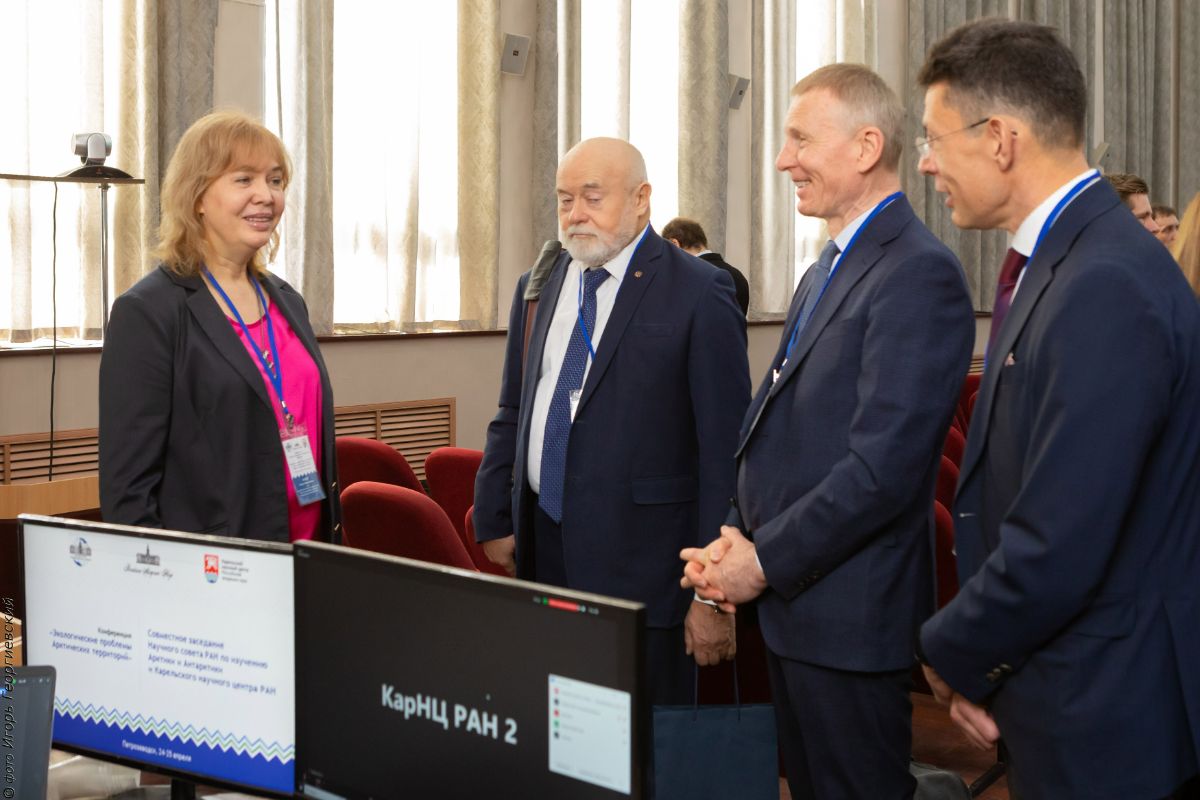
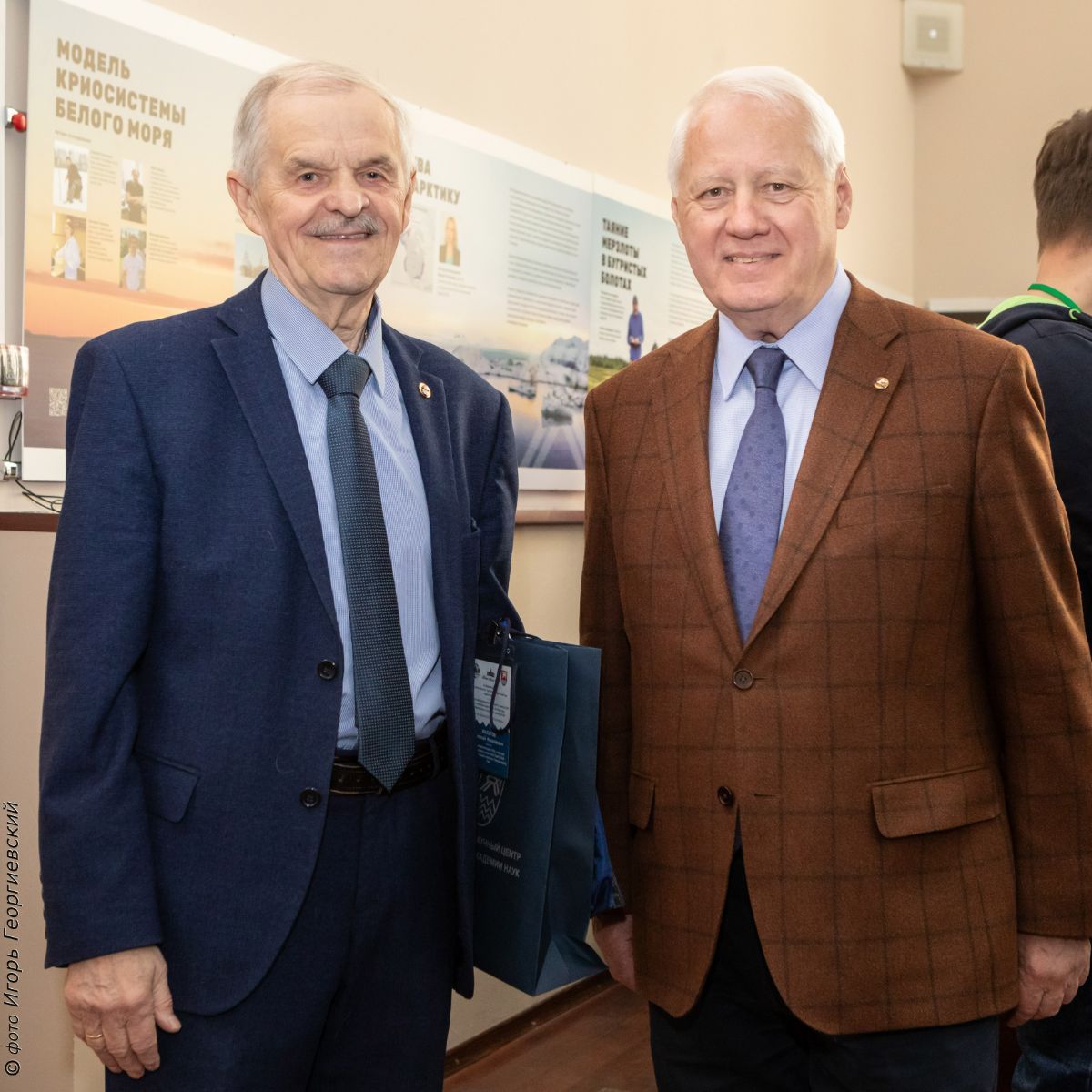
Participants of the conference “Environmental Problems of Arctic Territories”
In his turn, Mikhail Slipechnuk, President of the Association of Polar Explorers, Head of the Department of Environmental Management of the Geography Faculty of Lomonosov Moscow State University, pointed out: “Since 30% of Russia is Arctic territories, it is safe to say we are an Arctic country. About a quarter of the budget of the Russian Federation and a huge percentage of Russian exports are formed in the Arctic zone, so the Arctic is, in fact, the backbone of the Russian economy, it is the future of Russia”.
Arctic and environmental issues were covered in more detail in the lectures delivered by experts during the plenary session of the conference “Environmental Problems of Arctic Territories”.
Photos: Igor Georgievskii / KarRC RAS