


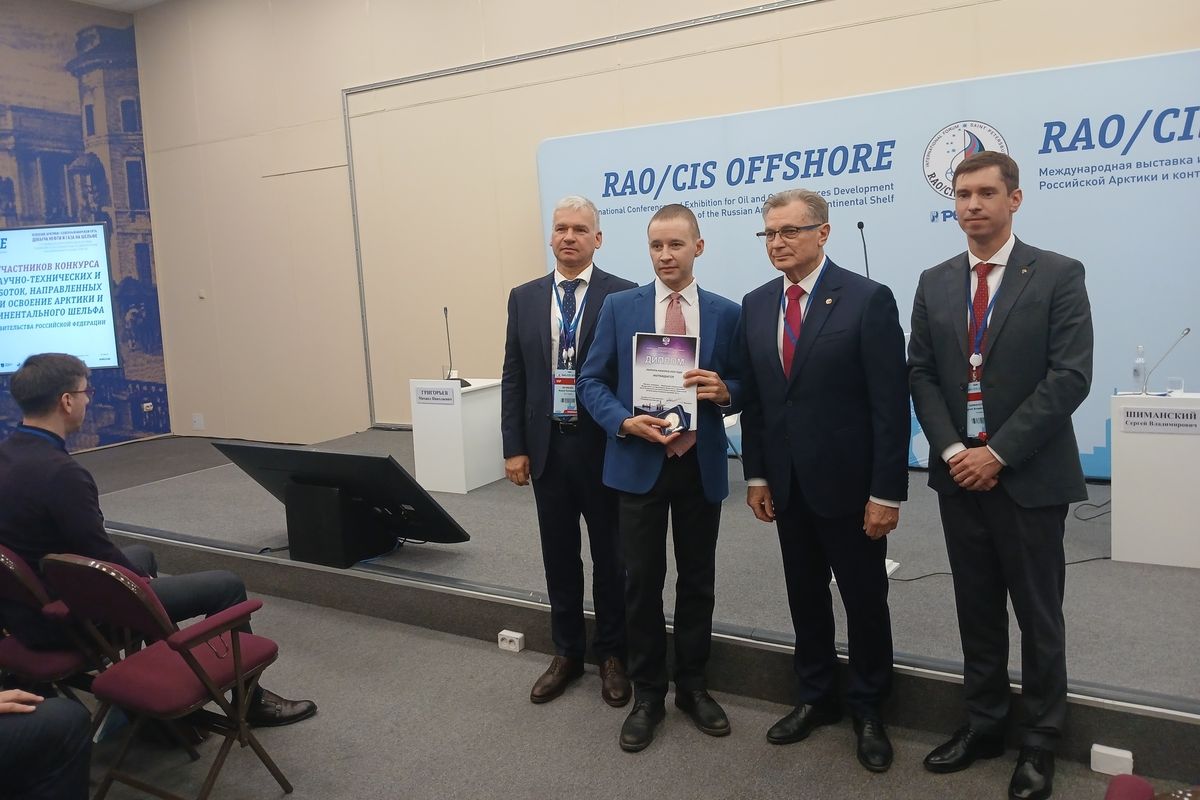
The forum program includes an annual government-supported international competition for scientific, technological, and innovative developments targeting the development and use of the Arctic and continental shelf. One of this year’s winners is Doctor of Economics Sergey Tishkov. The competition experts acknowledged the scientist's work on the theory and methodology of forming innovation systems in Arctic regions. This study formed the core of the Dr.Sci. dissertation that the economist successfully defended in 2024.
As Sergey Tishkov notes in his work, a precondition for the country's sustainable scientific and technological growth is high performance of the national innovation system, which, in turn, is predicated on the development of regional innovation systems. Meanwhile, there are spatial disparities in Russia as well as subsidized and peripheral regions with low innovative development levels. This is largely due to the concentration of financial and human resources in the leading regions, coupled with a decline in the potential for innovative growth in areas such as the Arctic regions, Karelia included.
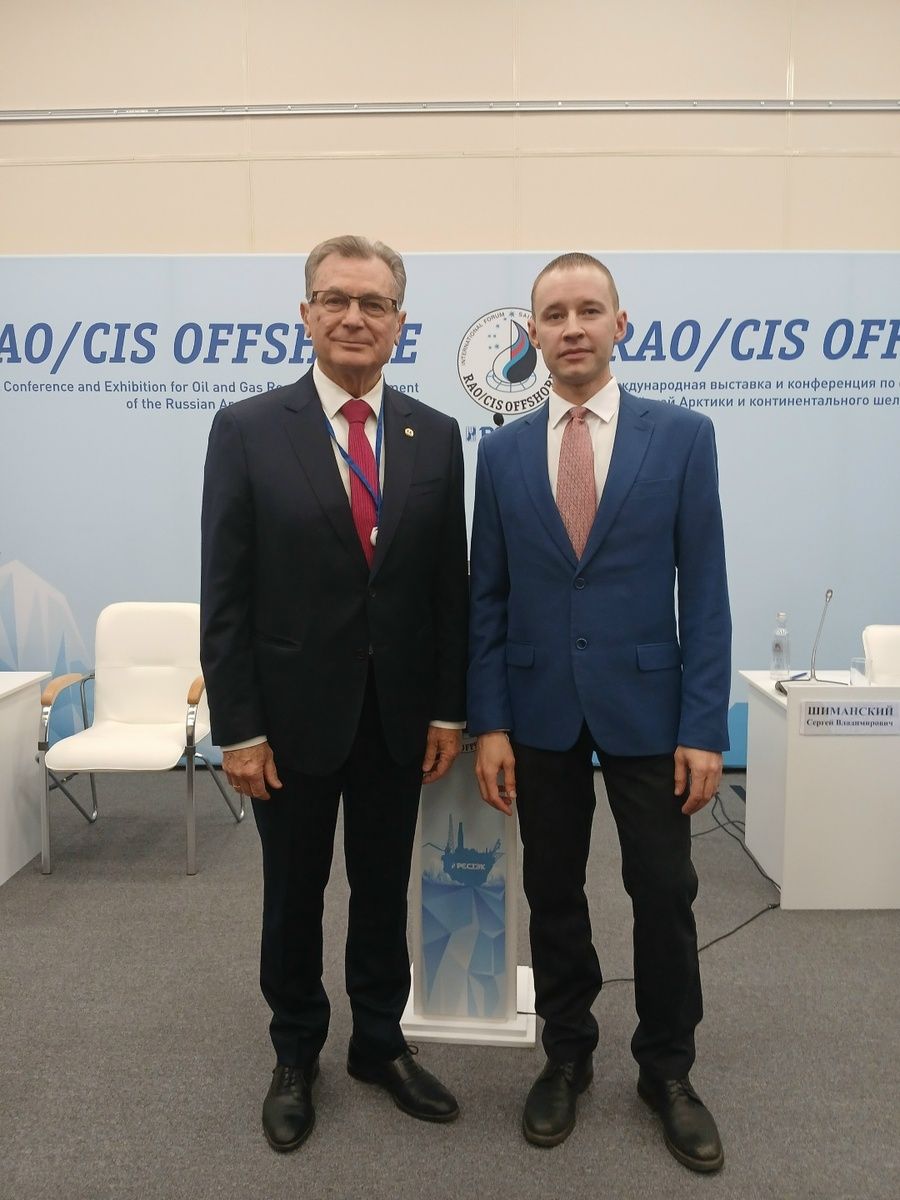
Dr. of Economics Sergey Tishkov with RAS Vice President, Academician Sergey Chernyshev
The objective of Sergey Tishkov’s study was to produce the theory and methodology for creating a platform for evaluating and managing the innovation systems of Arctic regions.
In this work, the scientist produced a first account of the factors that hinder efficient collaboration between business and science in innovation processes. These include low demand for innovation from companies and poor awareness of authorities about the innovation needs of businesses. The study proposes promising formats of supporting the technological development of Arctic regions, such as establishing ad hoc programs to stimulate innovative activities in the Arctic.
The scientist has designed a technique for monitoring scientific innovation activities for the purposes of evaluating the performance of the region’s innovative development vector. Calculations using this technique permit detecting trends and strategic lines for developing the regional innovation system.
Sergey Tishkov presented an optimal structure for innovation systems of Arctic regions of his authorship. According to the research findings, a solution for Arctic regions is to establish innovation clusters and tech parks with the prospect of linking them to new-type green-industry zones.
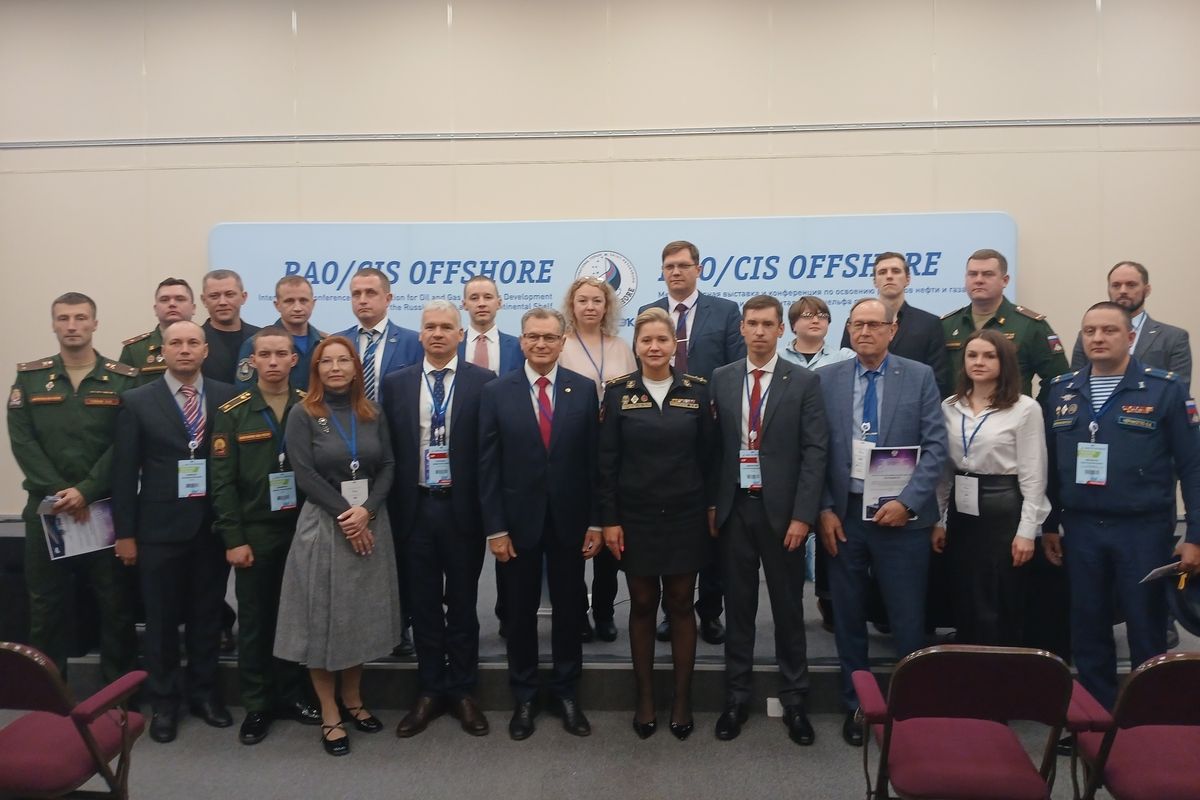
Winners and organizers of the international competition of scientific, R&D, and innovative advances for the development and use of the Arctic and the continental shelf
The area the scientists proposes as the sectoral core of economic and innovative development in Arctic regions is the emerging aquaculture cluster. It should generate both traditional and innovative products to be economically efficient.
“Certain products that can be delivered by the fish industry cluster of Karelia, such as fish oil, omega-3, protein hydrolysate, and others, serve as feedstock for the biotechnology industry. The development of this industry will help increase the share of high-tech production in the region's economy”, – noted the researcher in his work.
One of possible future innovative products from this cluster could be biogas from recycled wastes –dead fish. It can be used for heating and generating electricity for the fish industry. Producing biogas from waste would significantly reduce the electricity and heating costs of fish farms.
The research findings have already been put into practical use. Some of the materials were used in preparing the papers substantiating the inclusion of six municipalities of the Republic of Karelia in the Russian Arctic Zone. Some of the scientist's developments and proposals are being applied in the work of districts within the Karelian Arctic. The results concerning the fish industry cluster have been acknowledged by the Russian Federal Agency for Fisheries and the Federal Ministry of Agriculture. They have been recommended for incorporation in the state program "Development of the Russian Fish Industry Complex." Some IT solutions have been implemented in trout farming. Sergey Tishkov's developments can be useful for innovation agencies and regional authorities when designing the necessary programs and in decision-making.


