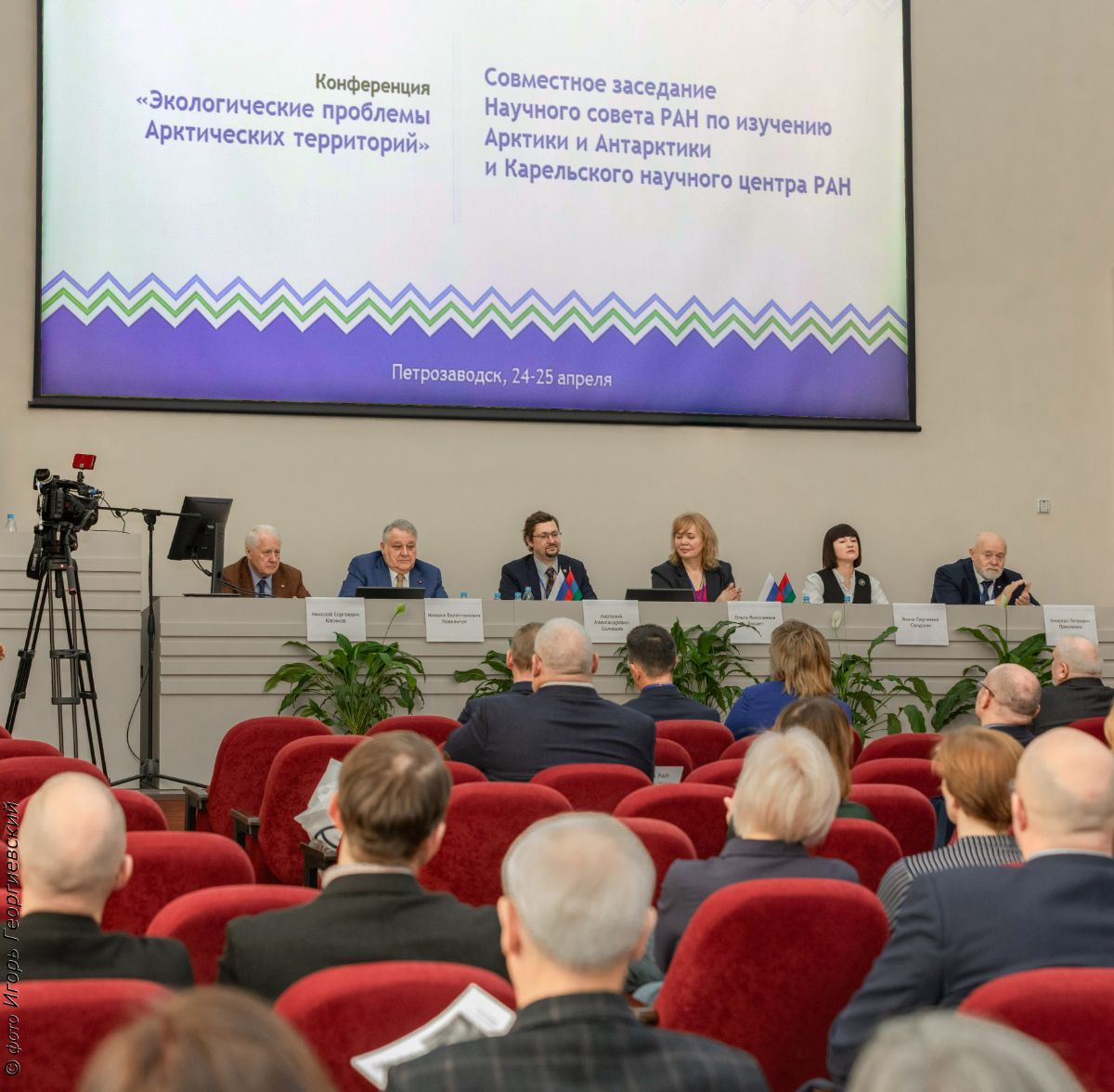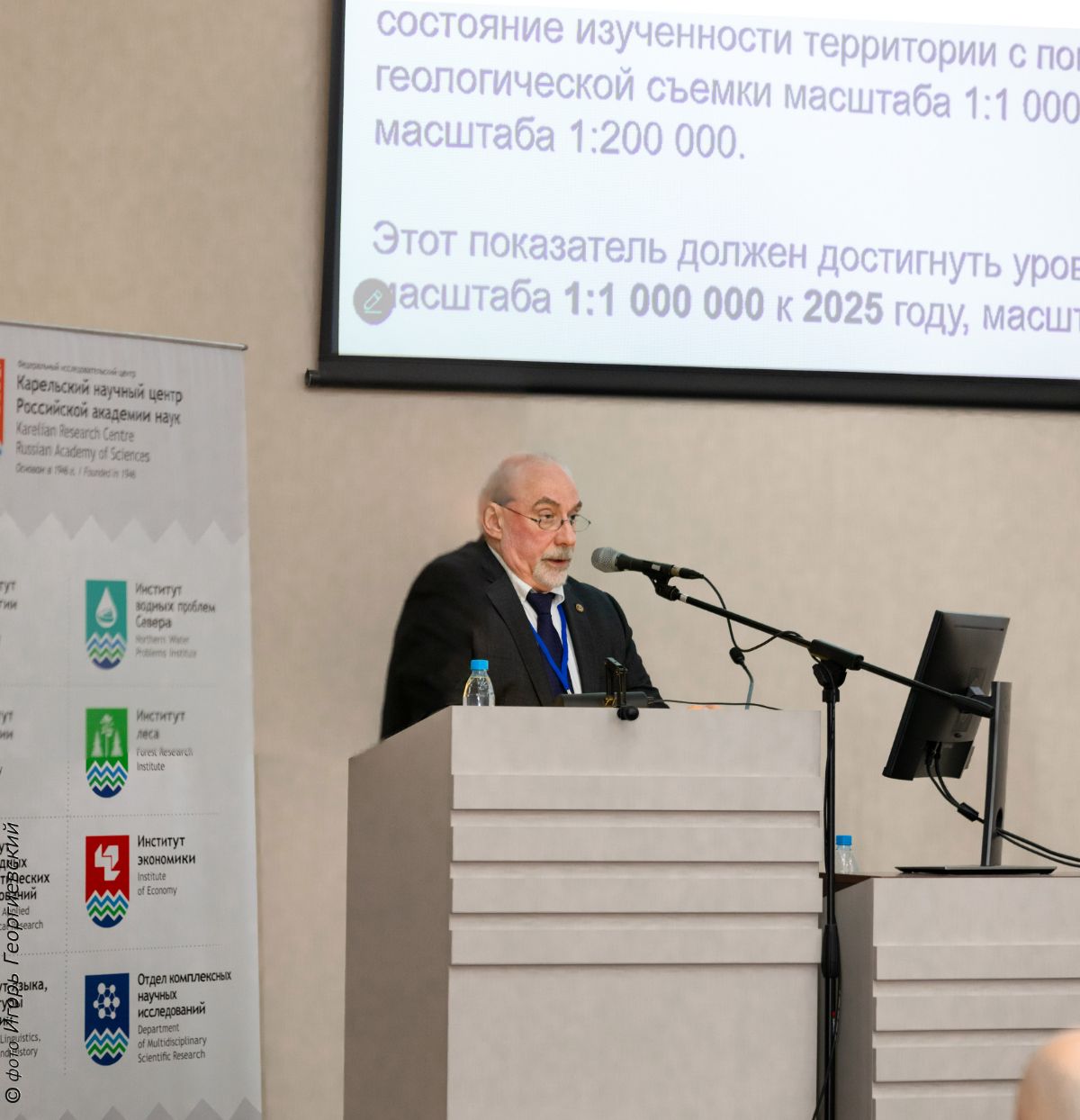


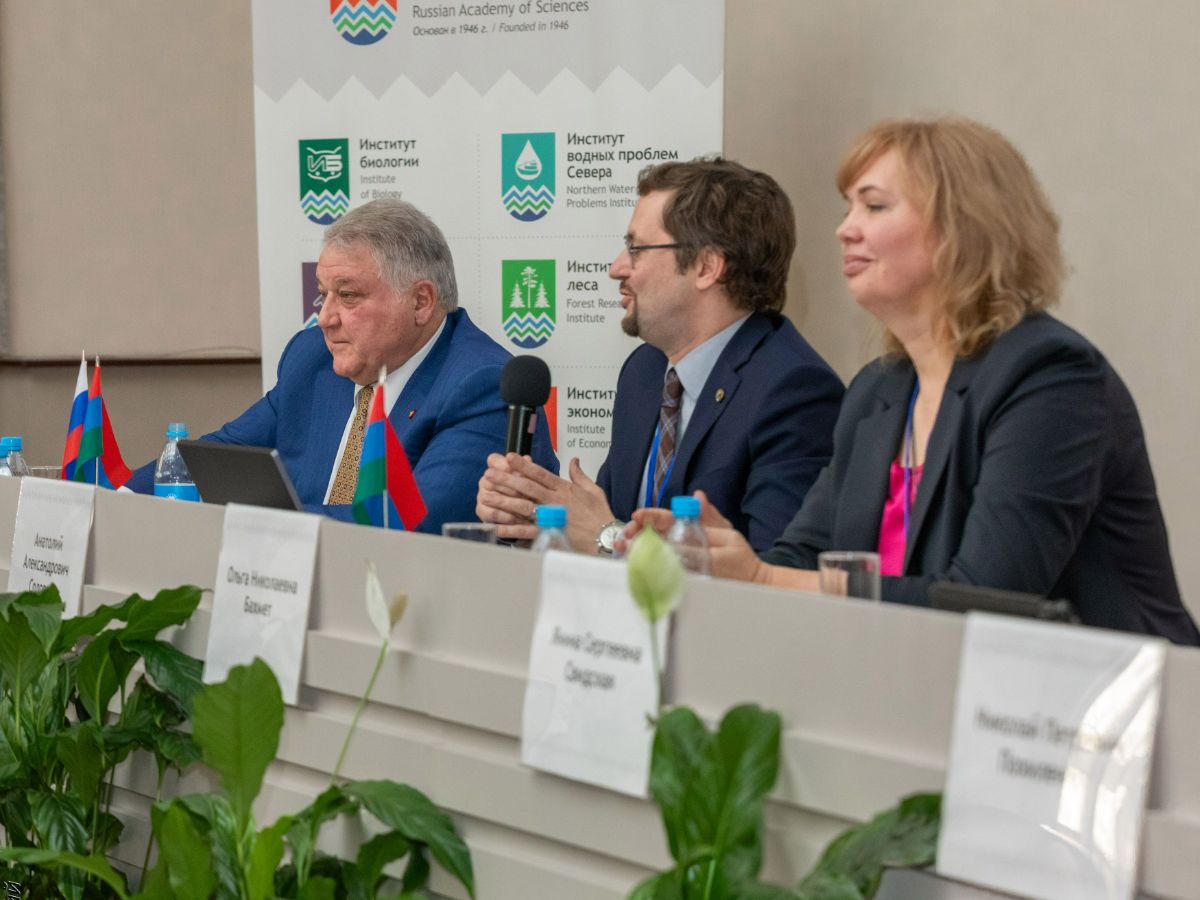
- Since 2020, several external sessions have been held under its auspices, and Petrozavodsk is the sixth city in this series of events. Each of them was dedicated to a specific scientific topic. The central theme of today's event is geoecology and natural disasters. In this way, the Council examines and tackles a broad spectrum of scientific areas which facilitate the development of the Russian Arctic zone, – remarked Sergey Soloviev.
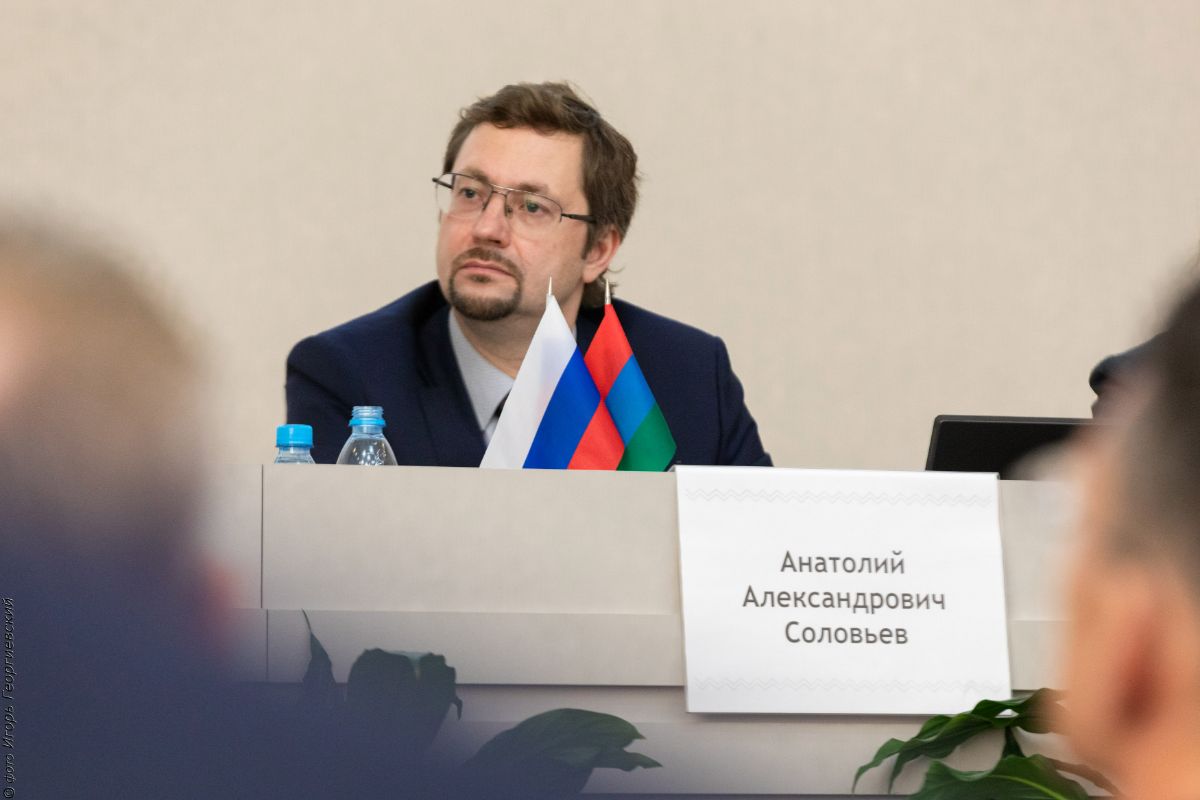
Acting Chairman of the RAS Scientific Council for Arctic and Antarctic Studies, Director of the RAS Geophysical Center, Corr. Academician Anatoly Soloviev
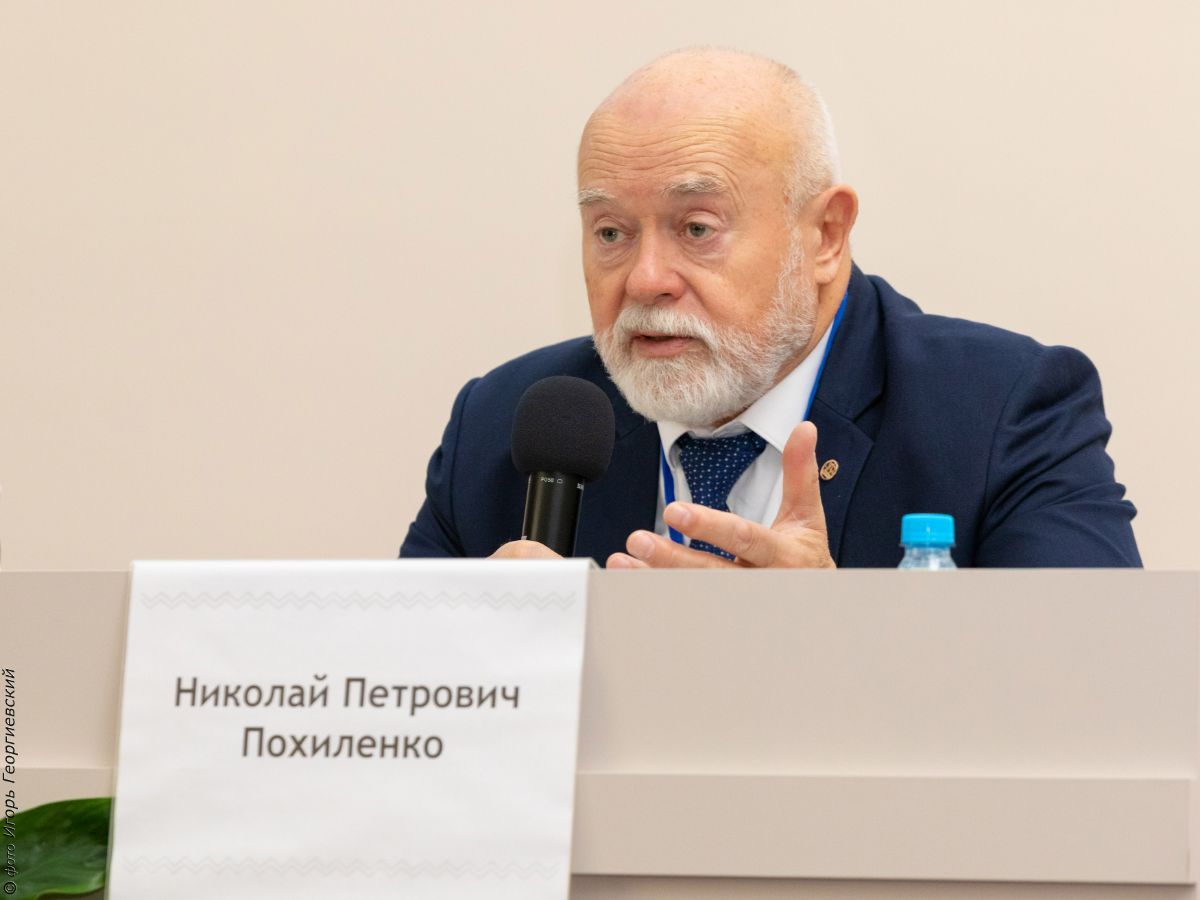
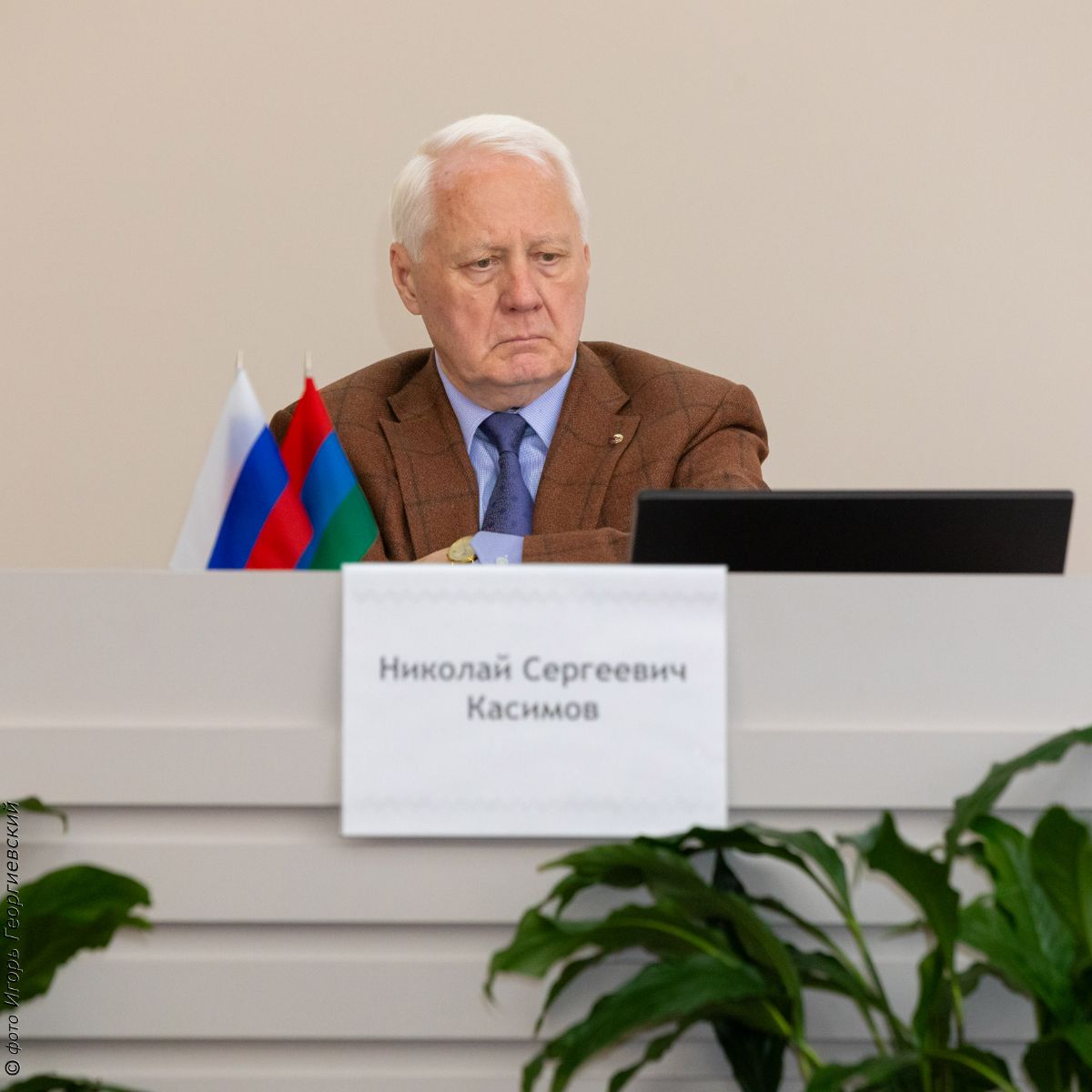
The conference participants were greeted by KarRC RAS Director General, Corresponding Academician Olga Bakhmet, Deputy Prime Minister of the Government of the Republic of Karelia Yanina Svidskaya, Scientific Director of the Institute of Geology and Mineralogy of the Siberian Branch RAS, Academician Nikolai Pokhilenko, and President of the Geography Department of Lomonosov Moscow State University, Academician Nikolai Kasimov. President of the Kurchatov Institute, Corresponding Academician Mikhail Kovalchuk also passed greetings to the audience from the President of the Russian Academy of Sciences Gennady Krasnikov.
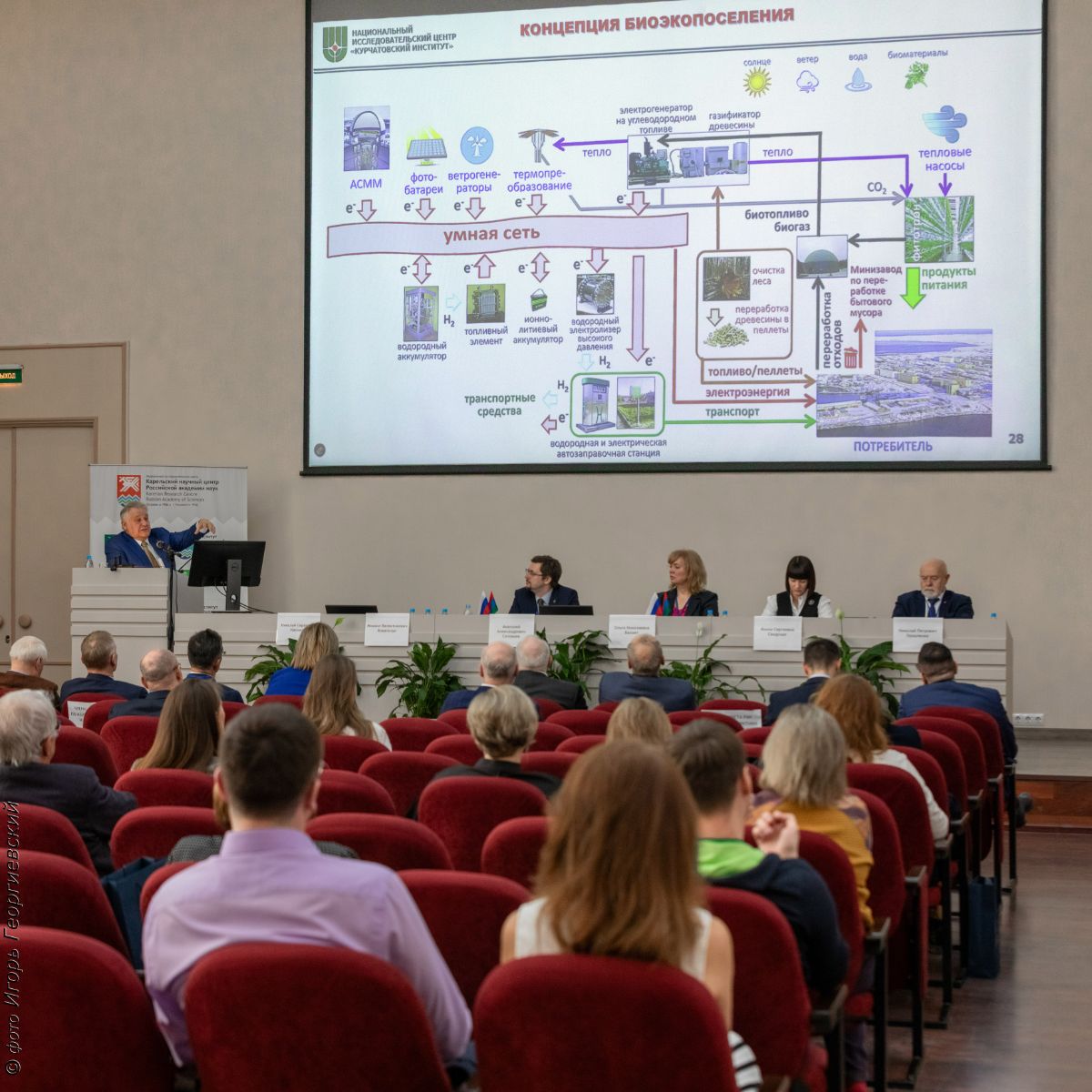
Mikhail Kovalchuk was the first speaker of the conference plenary session devoted to the scientific and technical priorities of the Russian Federation in the Arctic. He noted that the continental part of the Russian Arctic zone accounts for 28% of the country's territory. The Arctic contains a quarter of the world's oil and gas reserves, with 43% of proven oil reserves and 91% of proven gas reserves in the Russian Arctic, as well as 6.5% of Russia's fishery reserves. In addition to mineral, biological and energy resources, the strategic role of the Arctic is predicated on transportation and communications.
– The Northern Sea Route (Northeast Passage) is a unified national transportation system which, most importantly, lies within the area under our control, – stressed Mikhail Kovalchuk.
Speaking about the development of the Northern Sea Route, he pointed out that Russia possesses the biggest icebreaker fleet, with more than 50% of all icebreakers in the world. We are the only country to have a nuclear-powered icebreaker fleet.
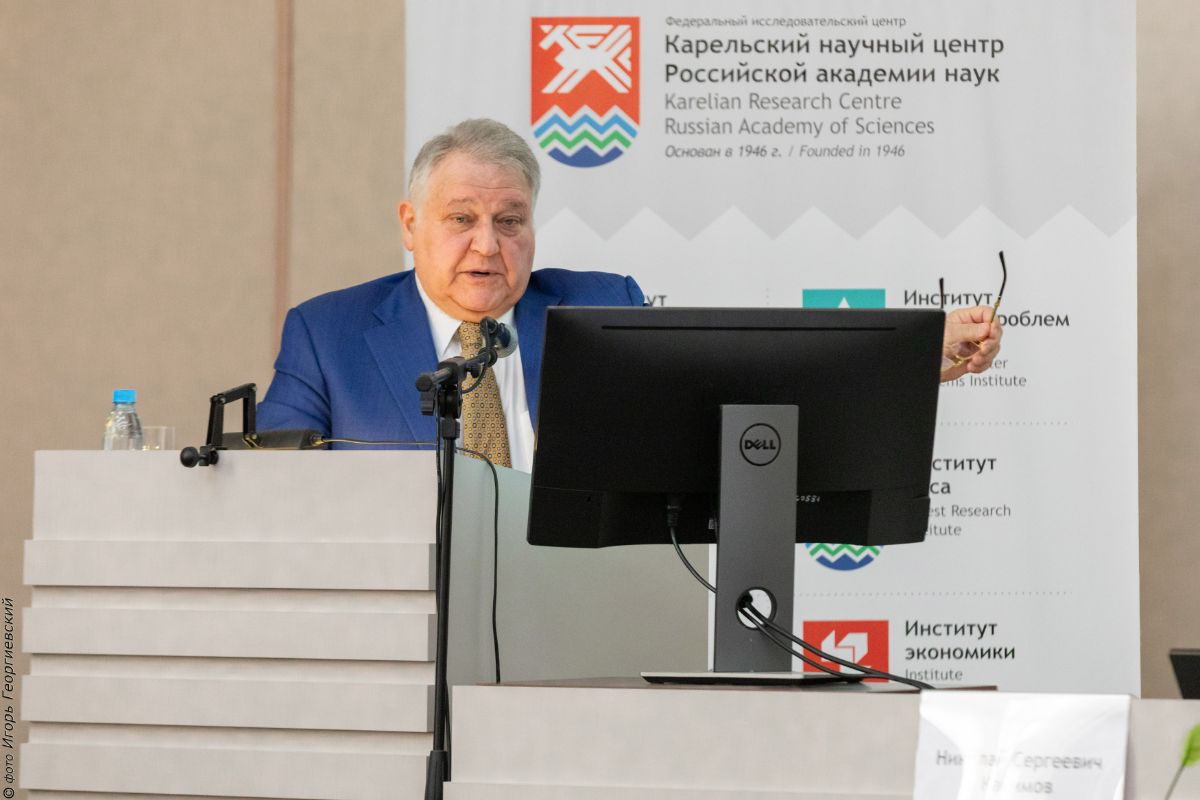
President of the Kurchatov Institute, Corr. Academician Mikhail Kovalchuk
The human capital of the Arctic territories is of great importance. The population of Russian Arctic Zone is 2.2 million people, which is about 1.5% of the country's population. The region contributes 11-12% to Russia's GDP.
Proceeding to the priorities of scientific and technological development of the Arctic, Mikhail Kovalchuk outlined innovative technologies in shipbuilding, new icebreakers, deep submergence vehicles, and a nuclear-powered gas-carrying submarine.
– All of that is possible provided you have special-class Arctic material science, innovative nuclear technologies to support nature-like infrastructure and to monitor naturally occurring radiation hazards, - summarized the President of the Kurchatov Institute.
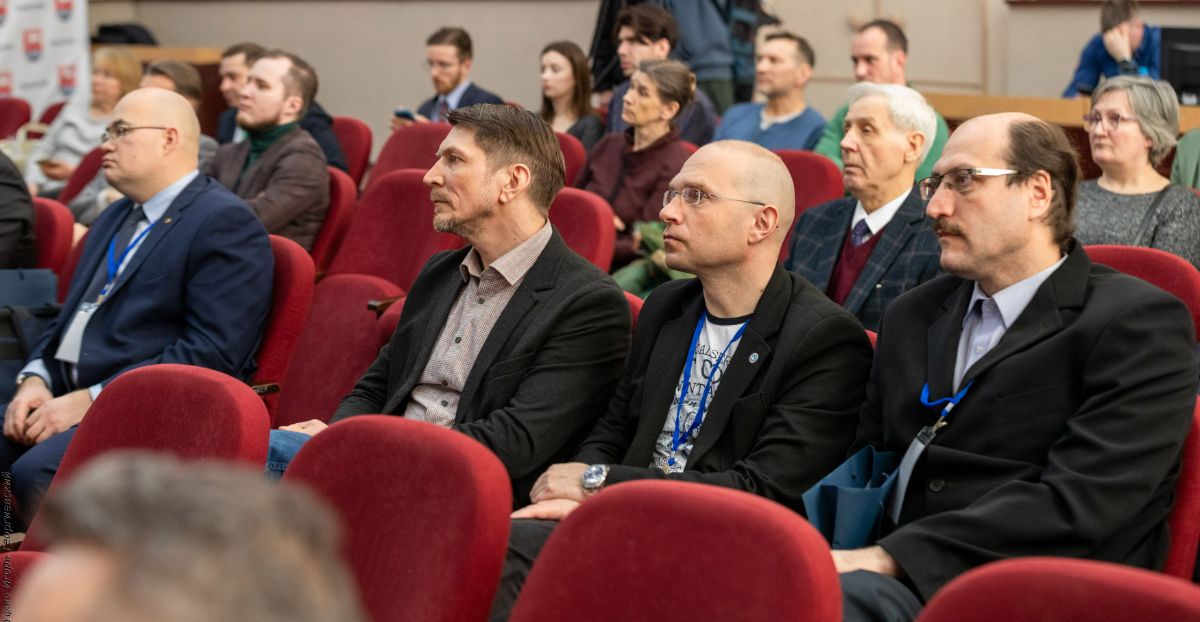
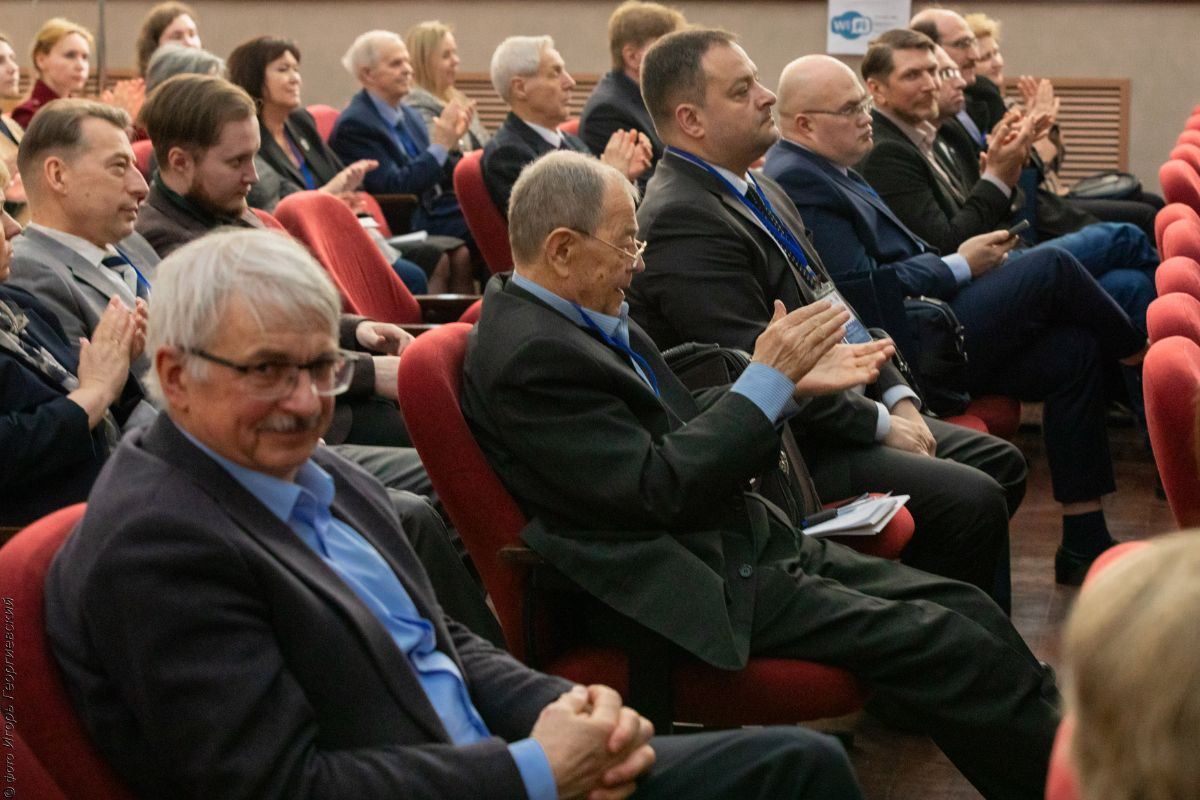
Conference participants
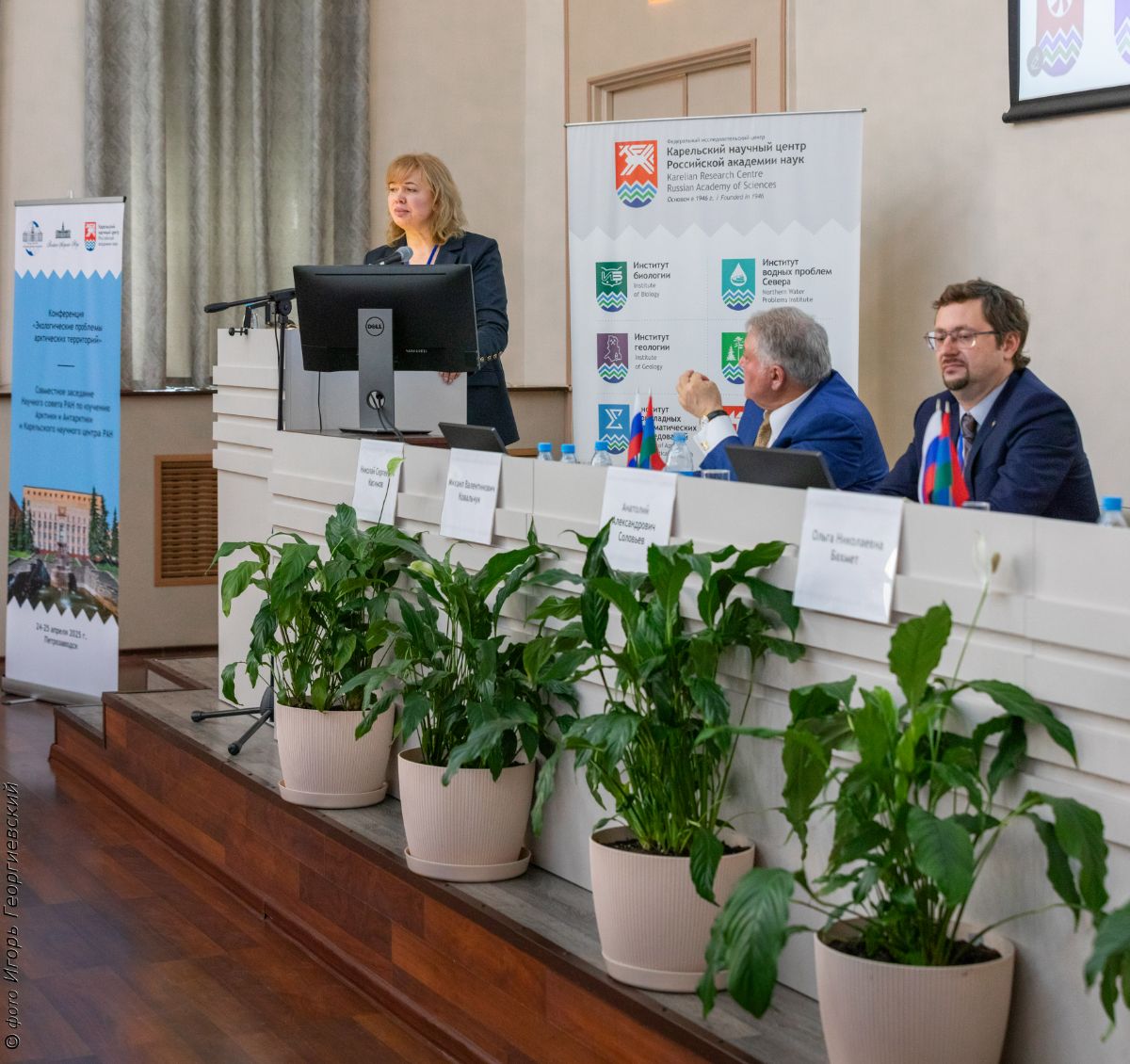
KarRC RAS Director General Olga Bakhmet presented the organization's experience of environmental research in the Arctic. She mentioned in particular that the assessment of the quality of the natural environment and the state of natural resources includes integrated monitoring of the state of terrestrial and aquatic ecosystems and biodiversity, including the establishment of monitoring stations.
Specifically, Karelian scientists conduct observations of natural ecosystems in the Kostomuksha Nature Reserve, Paanajärvi and Kalevala National Parks, study the unique areas on the White Sea coast, including the Kola Peninsula. Researchers monitor the state of natural ecosystems around large industrial hubs, such as the Kostomuksha Mining and Processing Plant. As for aquatic systems, scientists estimate the nutrient load on the ecosystems and help conserve populations of rare species.
Science plays a major role in the efficient use of natural resources. Scientists are involved in the exploration of deposits and evaluation of mineral resources, develop environmental damage elimination technologies and study the bioresources of the North. It has been proved, for instance, that some mesopelagic fish can potentially serve as a source of biologically active substances and lipid supplements, and extracts of White Sea algae can be used as biostimulants for crops. Issues scrutinized by specialists at KarRC RAS include health preservation and social problems of the population of the North.
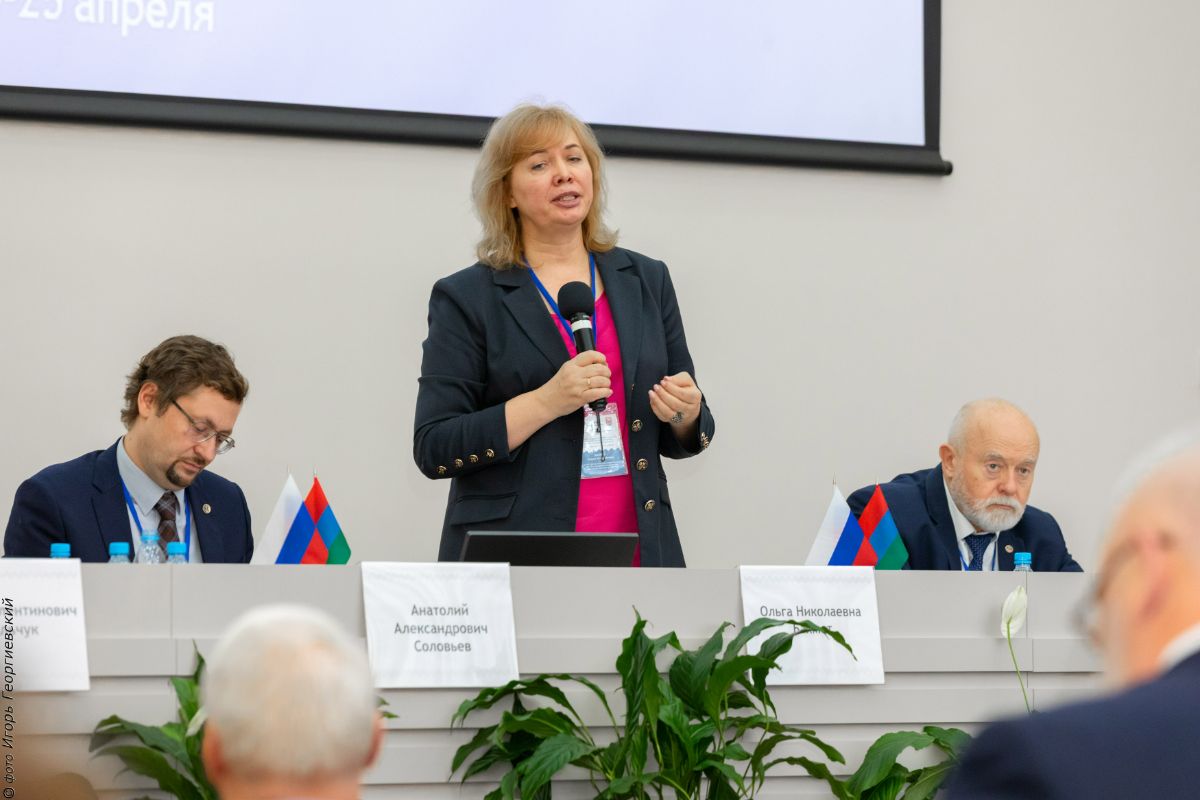
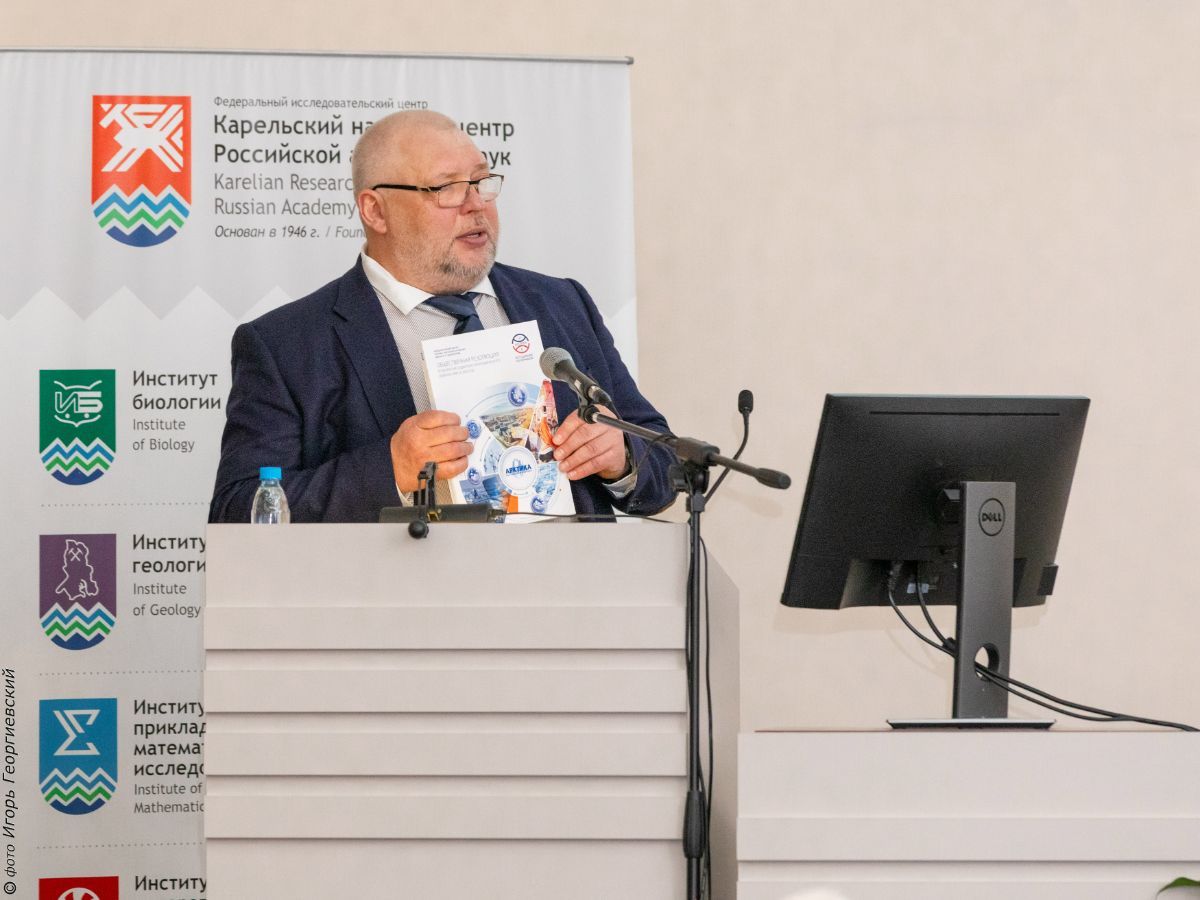
KarRC RAS Director General Olga Bakhmet speaking
– It is crucial to study, maintain and preserve natural systems, both unique and typical, in the Arctic zone. We are greatly empowered in this task by the fact that we have a scientific fleet - two vessels, Ecolog and Poseidon, which are always in high demand. As for ecosystem functioning, it is necessary to utilize the potential of natural resources which may not always be obvious. But it's the scientists' job to locate these resources and design techniques for their efficient use, while at the same time minimizing possible negative effects, – summed up Olga Bakhmet.
The third keynote lecture was given by Mikhail Slipechnuk, President of the Association of Polar Explorers. He spoke about the goals and prospects of the Association. The principal objective of this NGO, according to its leader, is to consolidate the efforts of specialists of different fields for the development of the Arctic. The expert recognized the shortage of specialists with modern skills in the northern territories. Education and awareness-building are necessary to attract highly qualified personnel. To this end, the Association implements projects targeting schoolchildren and students.
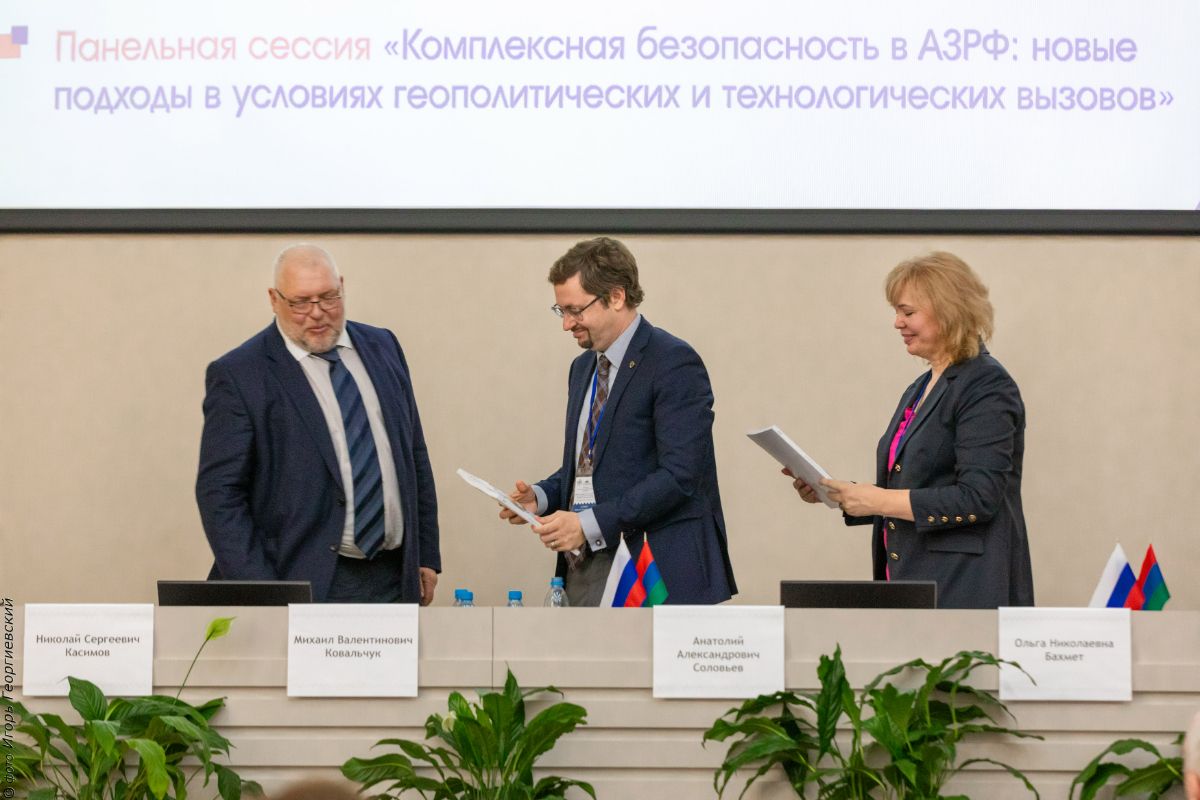
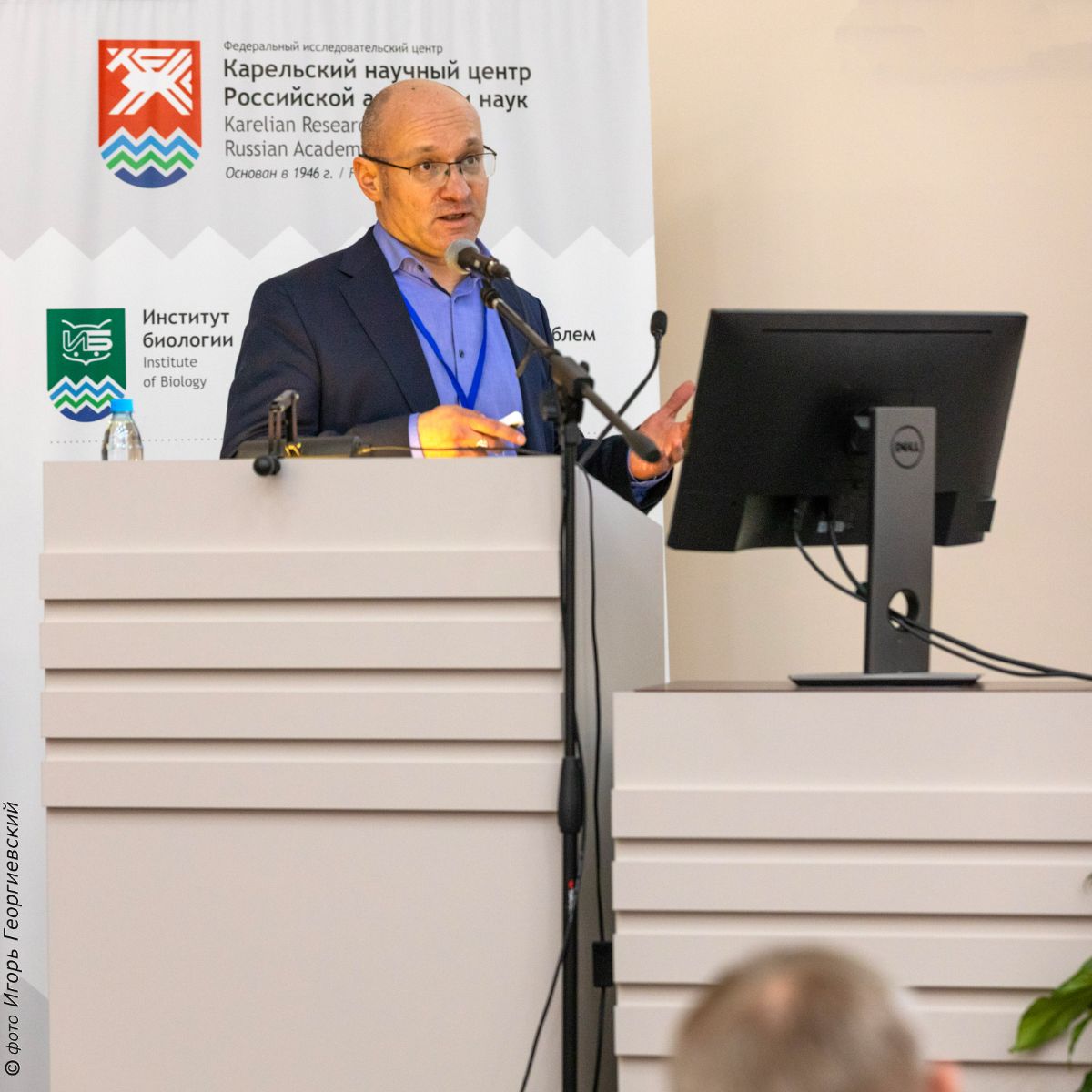
During the presentation by President of the Russian Association of Polar Explorers Mikhail Slipechnuk
The conference then proceeded as two thematic sessions. The presentations generally revolved around four main themes: geoecology of the Arctic, climate change in the Russian Arctic and geoinformatics, natural and anthropogenic hazards in the Russian Arctic, and opportunities for the development of transportation systems. Leaders and representatives of scientific organizations from Moscow, St. Petersburg and Arctic regions of the country spoke on topical issues. On April 25, the experts will continue their work within the joint meeting of the Scientific Council of the Russian Academy of Sciences for Arctic and Antarctic Studies and the Karelian Research Center RAS.
Photos: Igor Georgievskii / KarRC RAS